

Let me tell you something I’ve learned after years of working behind the chair and on set — gray hair is not the enemy. I know, I know. So many of my clients sit down in front of me with this look on their face, like their gray strands are some kind of problem to be solved. But honestly? Some of the most stunning transformations I’ve ever created have been on women who decided to work with their gray hair rather than against it.
And lowlights? Oh, they are absolutely magical for gray hair. This is one of my favorite techniques to use, and today I’m sharing everything — the styles, the tips, the “oh wow” moments — so you can walk into your next salon appointment feeling like you actually know what you want. Because you deserve to.
So let’s dive in, friend. Grab your coffee, get comfortable, and let’s talk about the 15 most beautiful lowlight styles for gray hair.
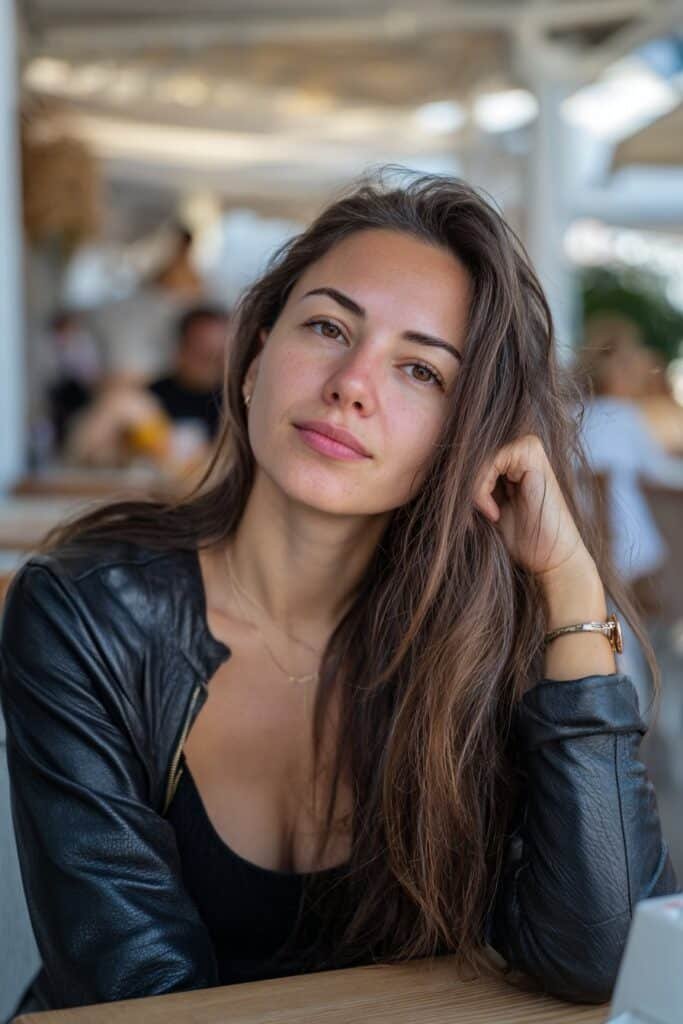
Classic Brunette Lowlights
What Is It?
Classic brunette lowlights involve weaving warm or cool brown tones through your natural gray or silver hair. It’s one of the oldest tricks in the book, and honestly, it never gets old. The idea is simple: you’re adding depth and dimension to hair that might otherwise look flat or one-dimensional.
How It Works and Who It’s Best For
This technique works by pulling small sections of hair and applying a color that is two to three shades darker than your base. For gray hair, this creates a gorgeous contrast that mimics the look of naturally blended, multi-tonal hair. It’s honestly best for women who have a significant amount of gray coverage — say, 50 percent or more — because the contrast between the brunette lowlights and the silver really makes both tones pop in the most beautiful way.
I did this on a client of mine who had been fighting her gray for years. She was exhausted from root touch-ups every three weeks. When I suggested brunette lowlights instead, she was nervous. But the moment I turned her chair around? She cried. Happy tears, of course. Her hair looked rich, dimensional, and completely intentional. That’s the power of working with your natural color instead of against it.
How to Do It: Tips
Talk to your colorist about choosing a brunette shade that complements your skin tone — warmer browns for warm complexions, ashier browns for cooler skin. Ask for fine sections to keep it looking natural. And avoid heavy chunks unless you want a bolder, more graphic look. Maintenance is usually every eight to twelve weeks, which is so much more manageable than full color.
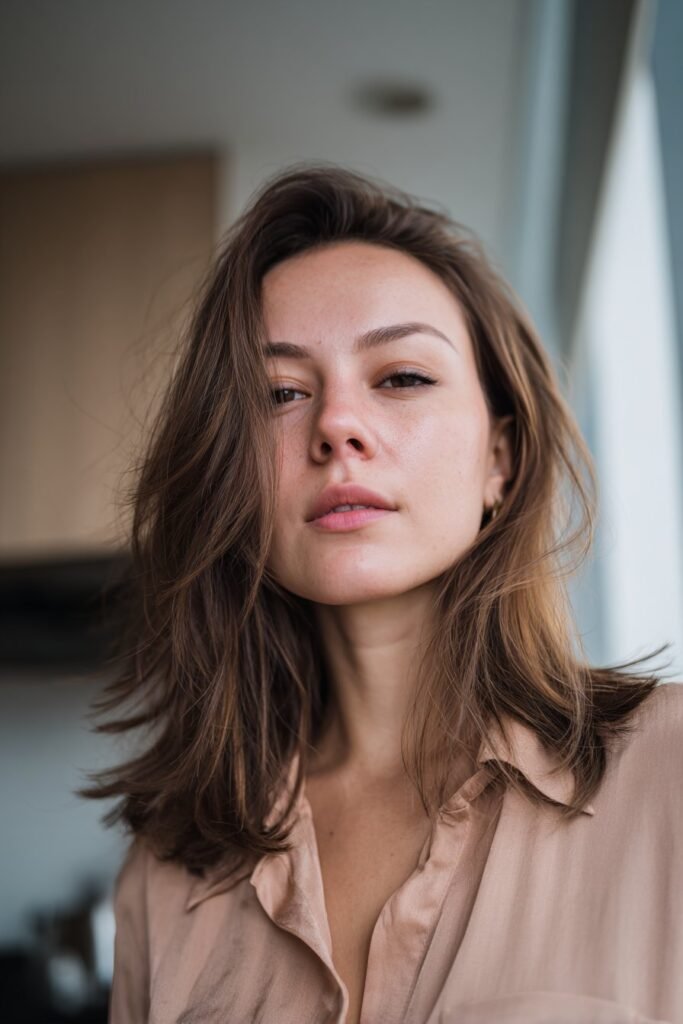
Ash Brown Dimensional Lowlights
What Is It?
Ash brown lowlights are a cooler variation of the classic brunette lowlight. Instead of warm, chocolatey tones, you’re working with muted, grey-leaning brown shades that blend almost seamlessly into gray hair.
How It Works and Who It’s Best For
Because ash brown tones already have a gray or muted undertone, they transition into silver hair with extraordinary smoothness. There’s no harsh line, no obvious color contrast — just this beautiful, graduated blend that looks like your hair has naturally evolved this way. This is ideal for women with cool or neutral skin undertones. If you tend to look washed out by warm colors, ash brown lowlights are going to be your new best friend.
I always describe this technique as “the quiet one that makes the loudest impression.” It’s subtle, yes. But there’s something incredibly sophisticated about it that commands attention in the best way.
How to Do It: Tips
Go for fine, balayage-style placement rather than traditional foils if you want the most seamless result. Request your colorist use a toner after the lowlight process to ensure the cool tones really sing. And do invest in a purple or blue shampoo — it keeps those ash tones from going brassy between appointments.
Warm Caramel Lowlights

What Is It?
Now we’re bringing in some warmth. Caramel lowlights introduce golden, honey, and amber-toned shades into gray hair for a sunlit, luxurious effect.
How It Works and Who It’s Best For
Caramel tones against silver hair create one of the most naturally stunning contrasts I’ve ever worked with. The warmth of the caramel makes the silver look brighter and more vibrant by comparison, while the gray tones cool down the caramel so it looks rich without being overdone. This technique is best for women with warm or golden skin undertones — think peachy, olive, or golden complexions. It also works beautifully for women with brown or hazel eyes.
I always think of this technique as adding sunshine to someone’s hair. It’s warm, it’s inviting, and it makes you look like you just got back from a wonderful trip somewhere beautiful.
How to Do It: Tips
Ask for caramel shades in varying depths — some lighter honey, some deeper amber — so the result looks multi-dimensional rather than flat. Balayage application gives the most natural sun-kissed effect. Use a moisturizing, color-safe shampoo and conditioner to keep caramel tones from fading too quickly, and avoid excessive heat styling, which can cause color to lift faster.
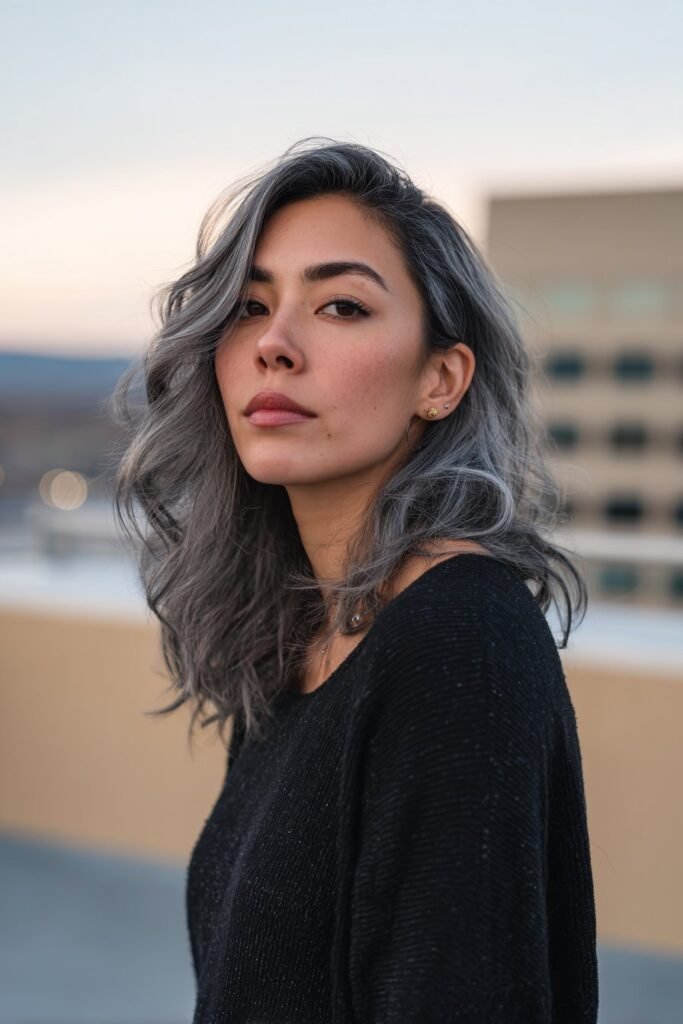
Smoky Charcoal Lowlights
What Is It?
Smoky charcoal lowlights are for the bold, the edgy, and the wonderfully unconventional. This involves adding dark, charcoal or near-black tones into gray hair for a dramatic, high-contrast look.
How It Works and Who It’s Best For
Think of it as a reverse highlight effect. Instead of adding light to dark, you’re adding depth and drama to silver or white hair with those deep, smoky tones. The result is striking — almost graphic in its contrast, like a beautiful piece of modern art. This style works best for women who have a significant amount of white or very light gray, because the contrast is where the magic lives. It’s also perfect for someone with a bold personality who wants their hair to make a statement.
One of my clients — a painter, fittingly — came in wanting something that reflected her artistic side. We did smoky charcoal lowlights through her white-gray hair and I kid you not, she looked like a runway model. It was architectural, stunning, and completely her.
How to Do It: Tips
Go chunky or go fine — both work, but they create very different effects. Chunky charcoal sections give that dramatic, graphic aesthetic. Fine sections create something moodier and more textured. Charcoal tones can fade to softer gray between appointments, which is actually lovely — it gives you a built-in transition. Ask your colorist about semi-permanent options so you can maintain flexibility.
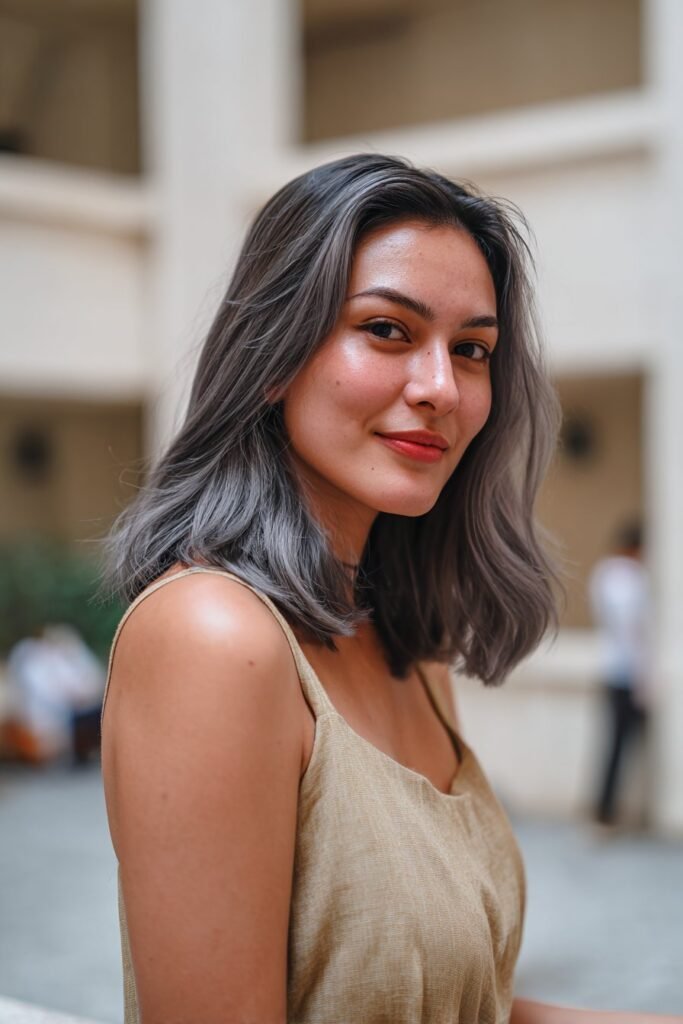
Chestnut and Silver Blend
What Is It?
A chestnut and silver blend combines rich, reddish-brown lowlights with your natural gray for a look that feels earthy, warm, and beautifully sophisticated.
How It Works and Who It’s Best For
Chestnut shades have this wonderful complexity — they contain notes of red, brown, and sometimes even a little gold — that plays exquisitely against the cool neutrality of silver hair. The result is a deeply layered, dimensional look that seems to shift in different lights. This is wonderful for women with olive or medium complexions, and it works especially well for those with green or brown eyes. It’s a style that manages to feel both timeless and current at the same time.
How to Do It: Tips
Make sure your colorist selects a true chestnut — not too red, not too brown. Ask about gloss treatments to enhance the richness of the chestnut tones and keep them vibrant longer. Avoid over-washing, as chestnut shades are particularly prone to fading with frequent shampooing.
Espresso Depth Lowlights
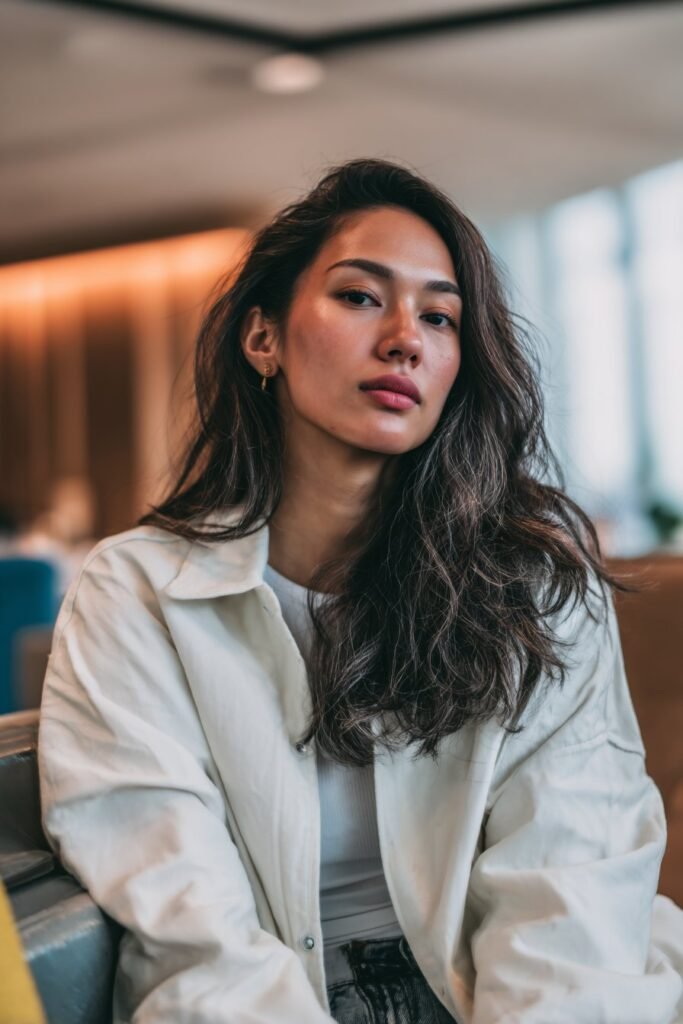
What Is It?
Espresso lowlights bring the deepest, darkest end of the brown spectrum into gray hair. Think rich coffee tones, dark chocolate, near-black — all the good stuff.
How It Works and Who It’s Best For
This technique creates maximum depth and contrast. It’s particularly powerful for women with very light gray or white hair, where the dark espresso tones create that gorgeous yin-yang effect. Espresso lowlights also work beautifully for women who are transitioning away from dark artificial color — rather than growing out an awkward line, you can blend in strategic dark lowlights that honor where your hair has been while embracing where it’s going.
I’ve used this technique countless times as a transition strategy, and it genuinely helps clients feel beautiful through what can otherwise be a frustrating growing-out process.
How to Do It: Tips
Placement is everything with espresso lowlights. Concentrate the darkest sections underneath and closer to the root, letting them fade up into the lighter gray naturally. This creates depth without heaviness. Semi-permanent color lets you gradually lighten the espresso tones over time if you decide you want a softer look later on.
Rose Gold Lowlights on Gray
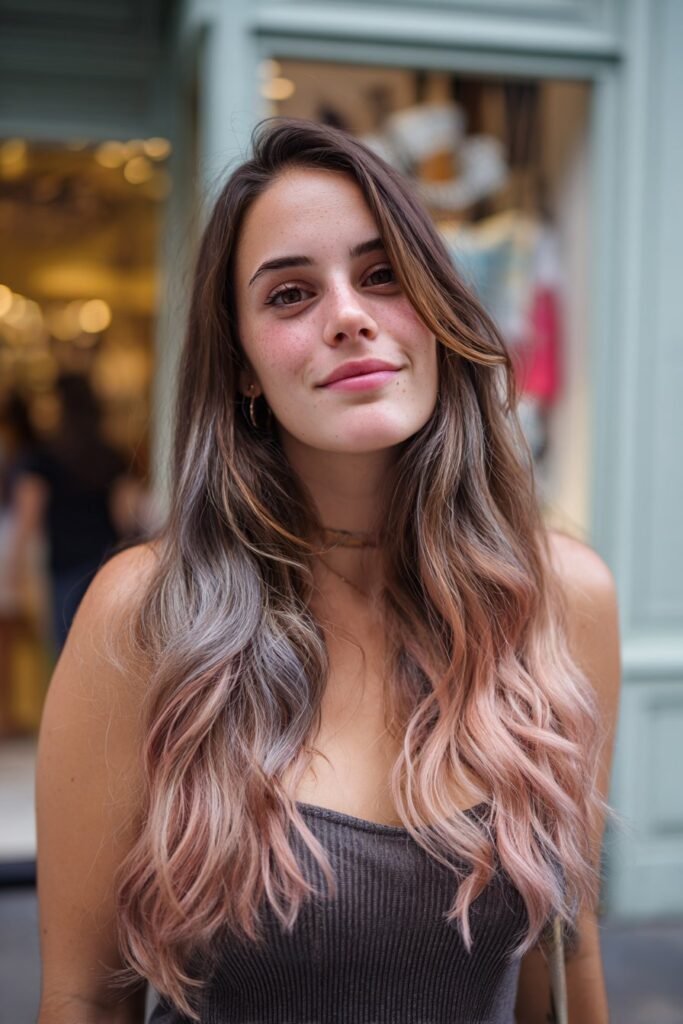
What Is It?
Yes, this exists, and yes, it is as gorgeous as it sounds. Rose gold lowlights involve adding soft pink-copper tones into gray hair for a dreamy, romantic, and utterly modern look.
How It Works and Who It’s Best For
Gray hair is actually the perfect base for rose gold tones because it’s already cool and neutral — the pink and copper tones of the rose gold really stand out without competing with warm underlying pigments. The result is something almost ethereal. This technique is best for women who want something a little unconventional, a little playful, but still wearable and sophisticated. It works across a wide range of skin tones, though it particularly flatters fair and medium complexions.
I did rose gold lowlights on myself for about three months and I am not exaggerating when I say I received more compliments on my hair during that period than ever before. There’s something about that combination that just makes people stop and stare — in the best way.
How to Do It: Tips
Rose gold tones fade relatively quickly, so be prepared for maintenance every six to eight weeks. The fade is lovely, though — it softens from rose gold into a peachy-pink that’s equally pretty. Use color-depositing conditioner in rose or pink tones to extend the vibrancy between salon visits. And embrace the fade rather than fighting it.
Tortoiseshell Effect Lowlights
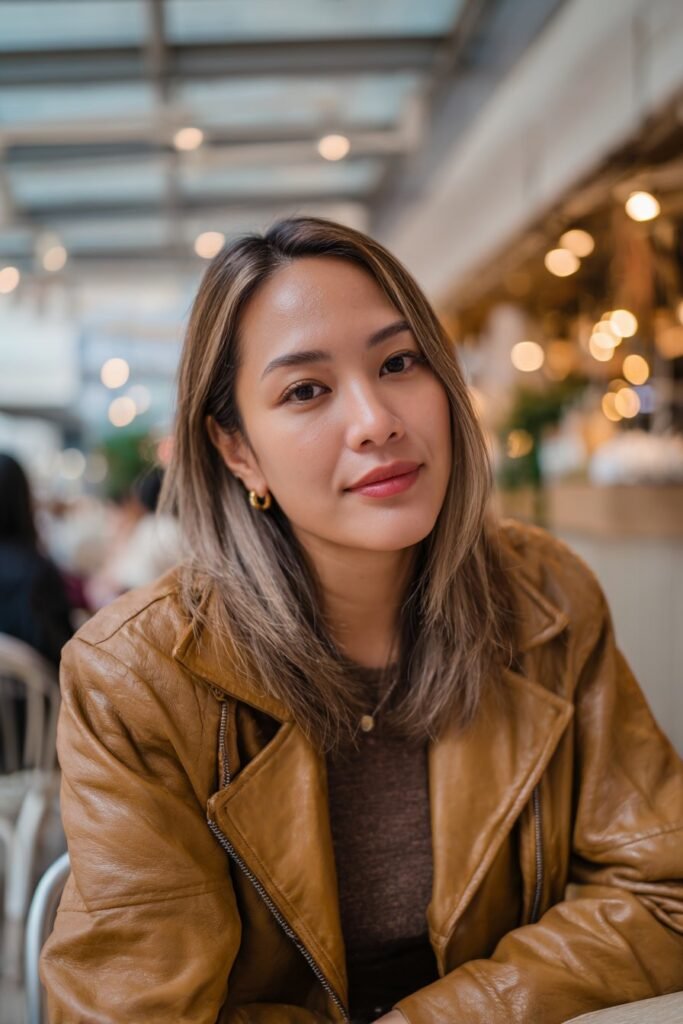
What Is It?
Tortoiseshell hair color is inspired by the warm, mottled pattern of actual tortoiseshell — a mix of brown, amber, gold, and dark tones that creates a richly layered, organic effect.
How It Works and Who It’s Best For
When applied to gray hair as lowlights, tortoiseshell technique involves using multiple warm shades — dark chocolate, warm brown, golden amber — placed in an organic, somewhat random pattern throughout the hair. The gray of your natural hair acts as a fourth tone, completing the palette. This is an incredibly forgiving and flattering technique because the multi-tonal approach means there are no obvious lines to grow out. Best for women with medium to long hair where the multi-dimensional pattern has room to shine.
How to Do It: Tips
This is a technique that really benefits from an experienced colorist who can paint the tones freehand. Don’t try to get too precise — the beauty of tortoiseshell is in its organic imperfection. Request that the sections vary in size to create the most natural, true-to-tortoiseshell effect. A glossing treatment at the end brings all the tones together beautifully.
Soft Black Lowlights
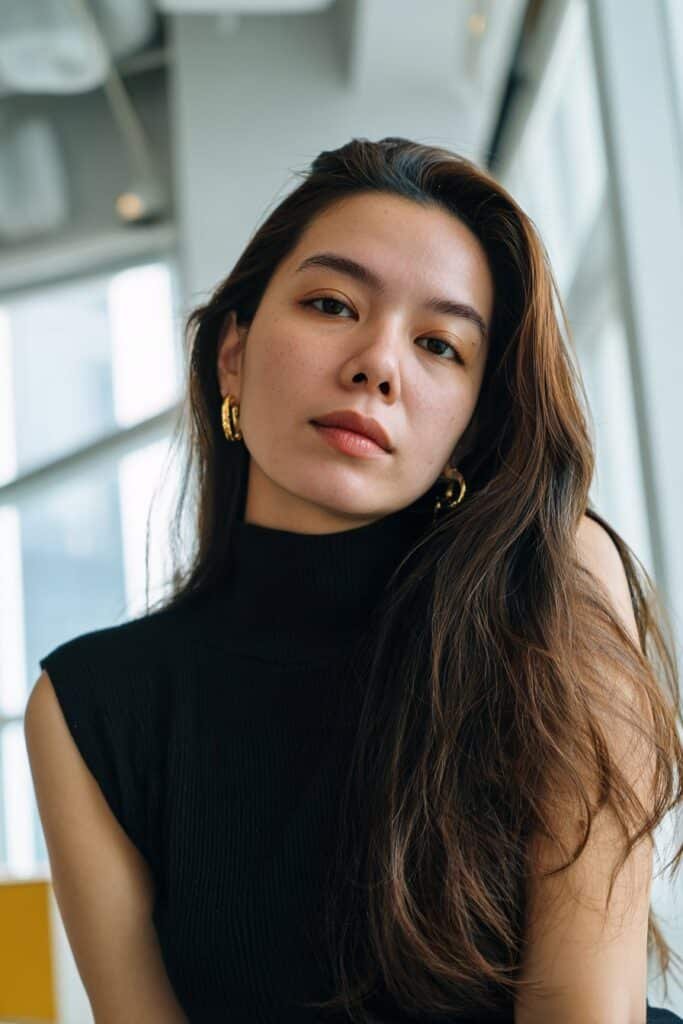
What Is It?
Soft black lowlights are a gentler alternative to stark espresso or charcoal tones. Rather than true black, you’re using a very dark shade with subtle warmth or coolness that takes the harshness out while still creating significant depth.
How It Works and Who It’s Best For
Pure black against gray can sometimes look stark and unnatural — like a very obvious color job. Soft black, however, has enough warmth or cool undertone to make it look more believable as natural shadow and depth. It’s best for women with porcelain or fair skin who can carry strong contrast elegantly, and also for those who previously had dark natural hair and want to honor that history in their current color story.
How to Do It: Tips
Ask specifically for “soft black” or “off-black” rather than true black when talking to your colorist. The difference is subtle in the bottle but significant on the hair. Focus placement at the nape of the neck and crown to create the illusion of depth at the roots, which makes hair look thicker and fuller as well.
Chocolate Fudge Lowlights
What Is It?
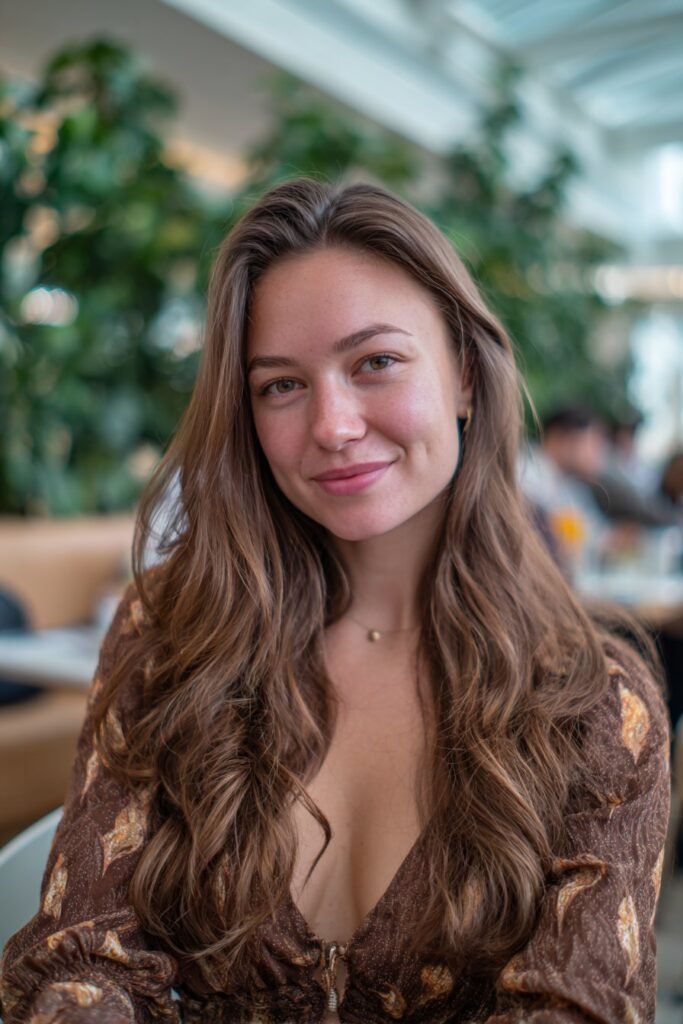
Chocolate fudge lowlights live between caramel and espresso on the warmth spectrum — they’re deep, rich brown tones with a slight sweetness that is genuinely irresistible.
How It Works and Who It’s Best For
This mid-depth brown has enough warmth to bring out golden undertones in skin, but enough depth to create real dimension in the hair. It pairs beautifully with silver and gray because the contrast is strong without being dramatic. This technique works for almost any skin tone and is particularly wonderful for women who want dimension but feel nervous about going too dark or too warm. It’s the Goldilocks of lowlight techniques — just right.
I recommend this to clients who are lowlight newcomers. It’s approachable, it’s flattering, and it grows out gracefully without creating a harsh line.
How to Do It: Tips
Chocolate fudge lowlights work beautifully in both foil and balayage applications. If you have finer hair, go for finer sections to avoid the color looking too heavy. Pair with a hydrating color treatment because deep browns can sometimes leave hair feeling a little dry after processing.
Cool Taupe Lowlights
What Is It?
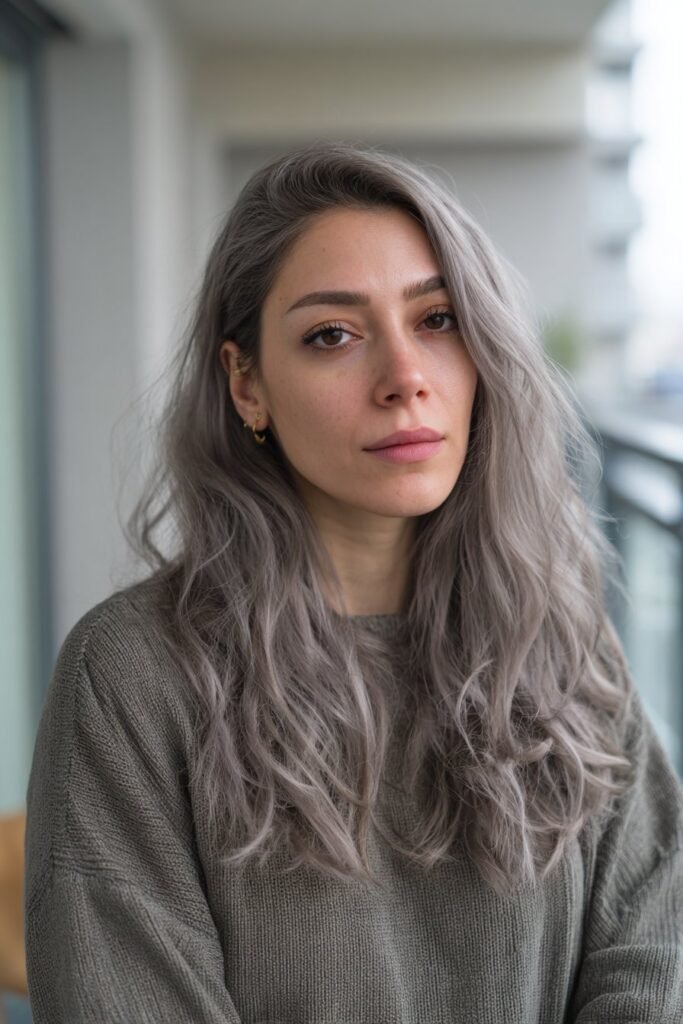
Taupe is that gorgeous in-between color — simultaneously brown and gray, warm and cool. Cool taupe lowlights blend so seamlessly into gray hair that the effect is almost like watching a painting come to life.
How It Works and Who It’s Best For
Because taupe already straddles the line between warm and cool, it integrates into gray hair with remarkable naturalness. The result is a color that looks organic rather than applied — like your hair just decided to grow in beautifully on its own. This technique is perfect for women who want a very natural, understated enhancement rather than an obvious color transformation. It’s also fantastic for those in-between stages where you’re growing out previous color and want to ease the transition gracefully.
How to Do It: Tips
The key with taupe is precision in tone selection. Too warm and it veers into muddy territory. Too cool and it disappears into the gray. Ask your colorist to do a strand test first. And because taupe is so natural-looking, this technique works beautifully with hand-painting or balayage rather than traditional foils.
Deep Plum Lowlights
What Is It?
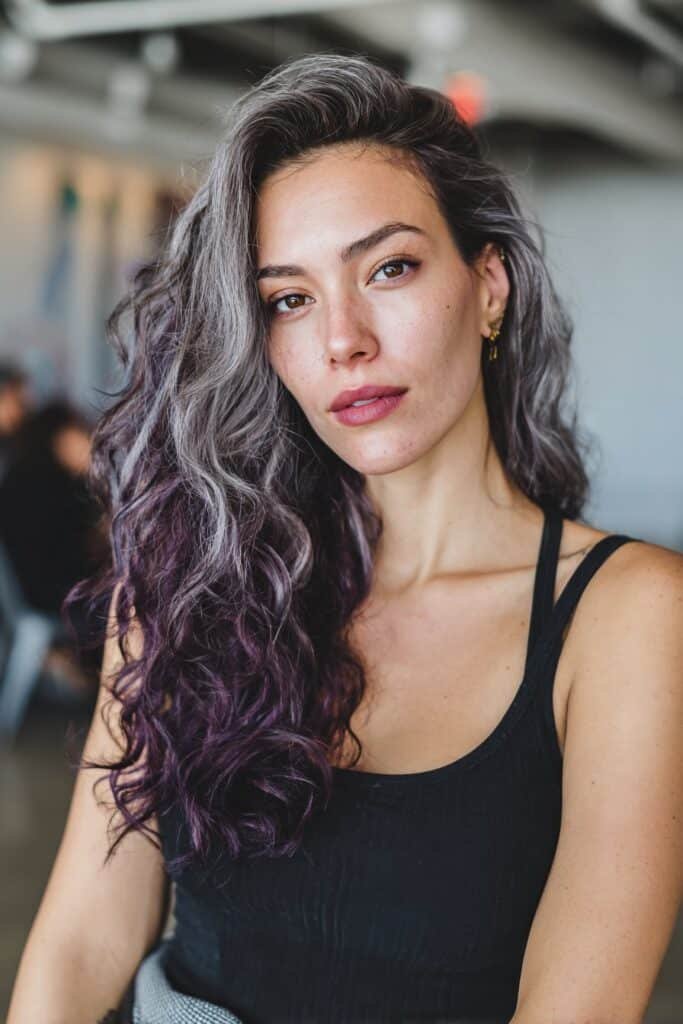
For the adventurous spirit who wants something genuinely distinctive, deep plum lowlights add rich, purple-red tones to gray hair for a look that is sophisticated, dramatic, and absolutely unforgettable.
How It Works and Who It’s Best For
Gray hair takes fashion colors incredibly well because it lacks the underlying warm pigment that can muddy the result in other hair types. Deep plum tones against silver create a jewel-toned effect that is genuinely stunning. This works best on women with cooler complexions and deeper eye colors — dark brown or green eyes especially. It’s not a look for everyone, but if it speaks to you, it will speak loudly and beautifully.
This was one of those techniques I was nervous to try on a client the first time. She was in her mid-fifties, silver-haired, and she said she wanted something “unexpected.” We did deep plum lowlights and she walked out looking like absolute royalty. I still think about that transformation.
How to Do It: Tips
Plum tones fade relatively quickly on gray hair, transitioning into a softer lilac or rose as they fade — which is honestly beautiful in its own right. Invest in color-safe products and cold water rinses to extend vibrancy. A plum-tinted gloss treatment between appointments helps maintain the richness of the tone.
Mocha Swirl Lowlights
What Is It?
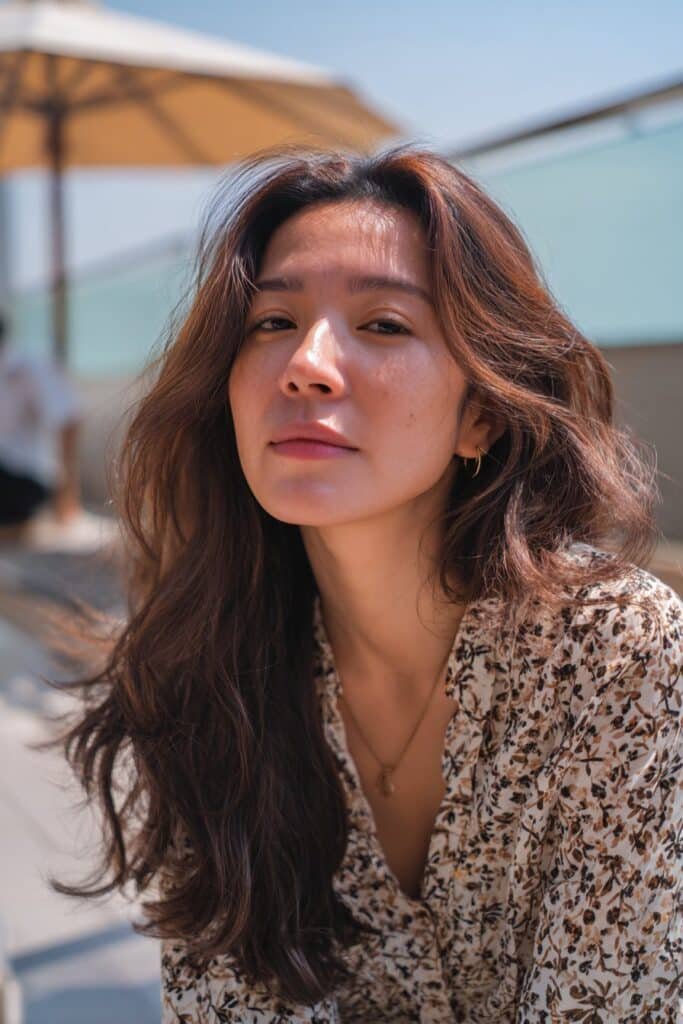
Mocha swirl is a technique that combines multiple shades of warm brown — from light latte to deep dark mocha — swirled through gray hair in a way that creates movement and depth simultaneously.
How It Works and Who It’s Best For
The multi-tone approach of mocha swirl means you’re not just adding depth — you’re adding dimension from root to tip. The lighter latte tones near the mid-shaft and ends mimic natural sun exposure, while the deeper mocha tones at the root create weight and anchoring. The gray threads through all of it like a natural highlight. This technique is best for medium to long hair with some natural texture, because the movement of the color really comes alive in wavy or lightly curled hair.
How to Do It: Tips
Ask your colorist to use at least two to three different brown tones to achieve the true mocha swirl effect — a single shade will look flat by comparison. This technique is essentially balayage in multiple brown shades, so it’s best applied by hand rather than in foils. Embrace your natural texture to let the tonal variety really show off.
Bronze and Silver Contrast Lowlights
What Is It?
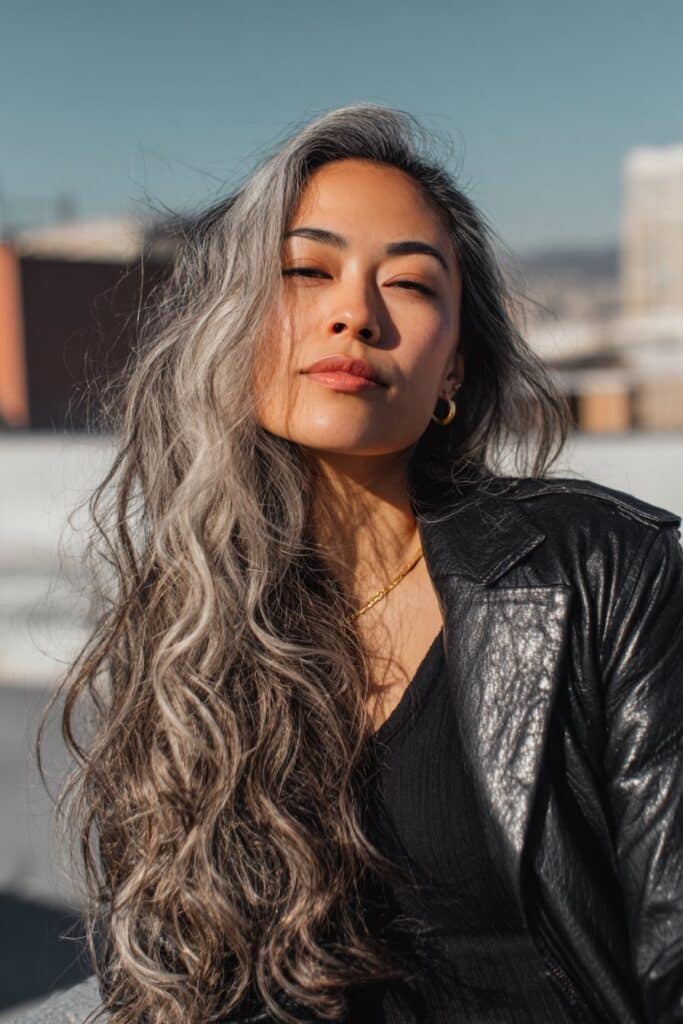
Bronze lowlights against silver hair create a metallic, almost otherworldly effect — two different metals sharing the same canvas in the most striking way.
How It Works and Who It’s Best For
Bronze tones have this unique quality of being simultaneously warm and metallic, which means they feel at home alongside the cool metallic nature of silver hair. The contrast reads as intentional, polished, and genuinely fashion-forward. This technique is best for women with warm or neutral complexions and works especially well for those with silver hair that has a natural brightness or luminosity already. It amplifies what’s already beautiful.
I always think of this technique as the one that makes gray hair look truly luxurious. It’s like wearing silver and gold jewelry together — once considered a fashion no-no that is now an absolute yes.
How to Do It: Tips
Bronze lowlights require a colorist with a good eye for placement — too much bronze and you lose the elegant contrast; too little and it gets lost in the silver. The sweet spot is usually about thirty percent bronze to seventy percent silver. A gloss treatment in warm gold helps unify the look at the end of the appointment.
Ombre Shadow Lowlights
What Is It?
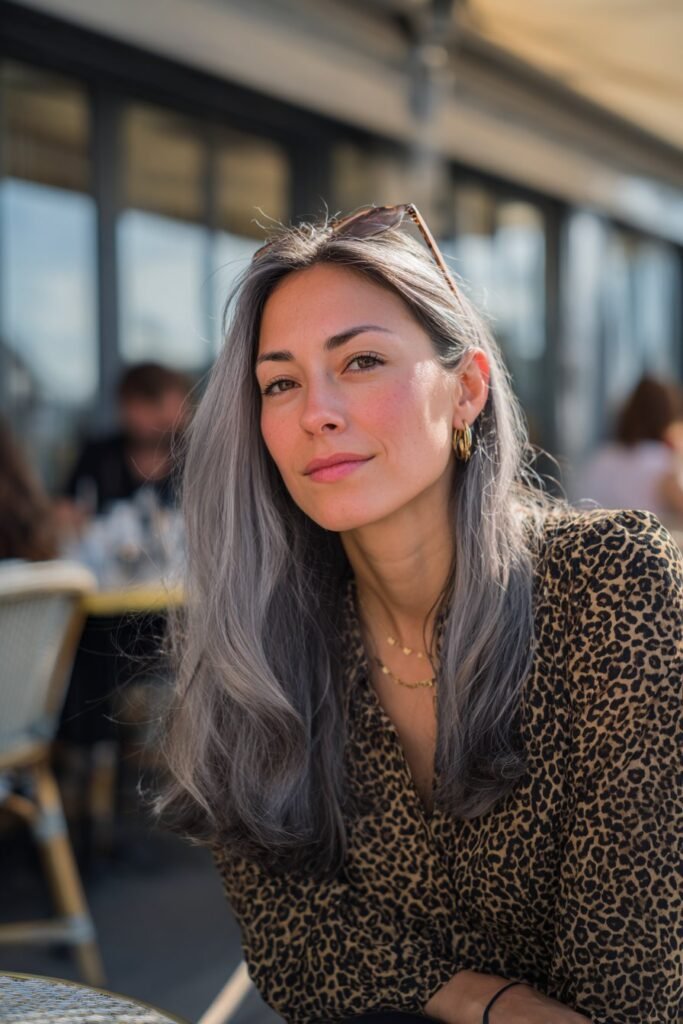
Ombre shadow lowlights reverse the traditional ombre effect — rather than going from dark at the root to light at the ends, you’re creating a darker, more saturated base that gradually lightens up through the midshaft and ends into your natural gray or silver.
How It Works and Who It’s Best For
This technique creates this incredible sense of depth and grounding at the root, making hair look fuller and more intentional, while the natural gray or silver at the ends looks bright, lustrous, and beautifully luminous by comparison. It’s essentially the best of both worlds — depth and light, darkness and radiance — all in one technique. It works beautifully for women with medium to long hair, particularly those with naturally fine hair that craves the appearance of volume and fullness.
This is one of my go-to techniques when a client comes in with beautiful silver ends but feels like her hair lacks body or presence. The shadow root transforms the whole situation without ever touching those gorgeous silver tips.
How to Do It: Tips
The gradient needs to be gradual rather than abrupt — this is where skill in blending is crucial. Ask your colorist to blend the dark root color down through at least two to three transition shades before reaching your natural silver ends. This creates a seamless, natural shadow effect rather than a harsh line. Maintain the root area every ten to twelve weeks to keep the contrast fresh.
Conclusion
I want to close with something that genuinely comes from my heart, because I have had this conversation — in different forms, in different salons, in different cities — more times than I can count.
When I first started working with clients who were transitioning to gray or who had been silver for years, I noticed something consistent: so many of them apologized for their hair. They’d sit in my chair and say things like “I know it looks a little dull” or “I’ve just given up on it” or “I guess this is where I am now.” And every single time, I wanted to gently take them by the shoulders and say: No. You have not given up. You have arrived.
Because silver and gray hair — with the right lowlight technique — is one of the most versatile and stunning hair canvases I have ever worked with. The natural coolness of gray makes warm tones pop with extraordinary vibrancy. The contrast potential between dark lowlights and silver strands creates dimension that people with naturally dark or light hair often spend hundreds of dollars trying to replicate. You already have the base. We’re just adding the brushstrokes.
The fifteen techniques I’ve shared today represent the full range of what’s possible — from the subtle sophistication of cool taupe lowlights to the bold drama of deep plum or charcoal. There’s something here for every personality, every lifestyle, every level of maintenance commitment. And I want you to feel empowered to choose based on who you are, not based on fear or uncertainty.
Here’s what I always tell my clients before we start: lowlights for gray hair are not about hiding the silver. They are about celebrating it. They give the silver context — a visual story, a framework, a depth that makes it undeniable. When you add a rich espresso shadow root, the silver above it glows. When you swirl caramel through silver strands, both tones become more beautiful than they’d be alone. That’s the alchemy of color work, and it never gets old for me.
A few parting thoughts from everything I’ve learned in my career working with beautiful gray-haired clients:
Talk to your colorist before committing to anything. Bring reference photos, yes, but also describe your lifestyle, how much time you want to spend on maintenance, and how dramatic or natural you want the result to be. A great colorist will translate your vision into the perfect technique for your specific hair.
Invest in your hair’s health. Colored hair, even with lower-maintenance lowlights, deserves nourishment. A good color-safe shampoo, a weekly deep conditioner, and a gloss treatment every couple of months will keep your lowlights looking intentional and vibrant rather than faded and tired.
Let it evolve. One of the most beautiful things about lowlights in gray hair is that they grow out gracefully. Unlike a full color that leaves a harsh line, strategic lowlights blend and soften as they grow. Lean into that evolution rather than panicking about it.
And finally — please stop apologizing for your gray. The clients who walk out of my chair with the most confidence are always the ones who decided to love what they already have and simply enhance it. Lowlights are not a correction.