

Fine hair thin hair short hairstyles can be total game-changers for those of us dealing with limp locks. Having thin hair doesn’t necessarily mean you lack strands. In fact, you might have fine hair—many strands with smaller diameters—that simply appears thin.
I’ve learned through years of styling that the right short haircut can completely transform fine or thin hair, making it look significantly fuller and more voluminous. Whether you’re struggling with density issues or experiencing hair loss, a strategically chosen shorter style can create the illusion of thickness. Fortunately, there are plenty of volumizing haircuts for thin hair that can breathe new life into your locks. From blunt cuts that keep weight at the ends for a healthier appearance to asymmetrical styles that stack your hair on one side for dramatic lift, the options are truly exciting.
As someone who’s worked with all hair types, I believe that short hairstyles for fine hair are among the most transformative. By removing excess weight that pulls those limp strands down, these cuts can instantly create the appearance of more hair without requiring hours of styling. In this collection, I’ll share my favorite short hairstyles for thin hair that will help you achieve that coveted volume in 2025.
Classic Curtain Bangs
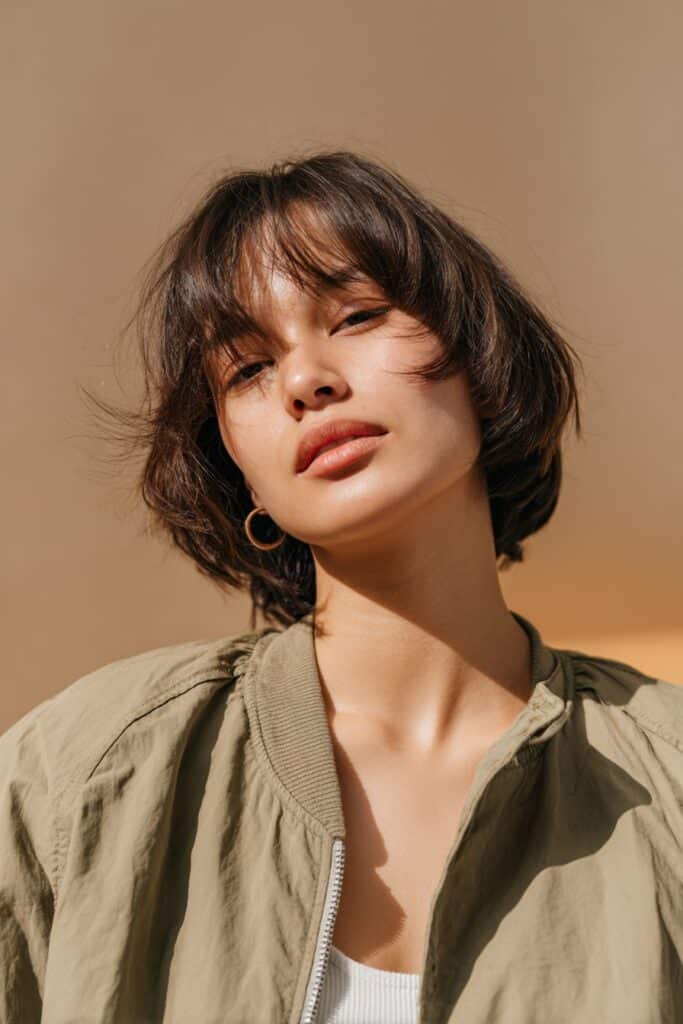
Curtain bangs have become my go-to recommendation for clients with fine hair seeking an instant style upgrade. These face-framing fringes, parted down the middle or slightly off-center, softly blend into the rest of your hair while tapering outward at the cheekbones or jawline. Unlike blunt bangs that can appear harsh, curtain bangs create a gentle, lived-in shape that adds movement and softness to thin locks.
Classic Curtain Bangs features
What makes curtain bangs so perfect for fine hair is their lightweight, wearable nature. They create the illusion of fullness without weighing hair down, essentially serving as a “gateway to bangs” for those hesitant about committing to a full fringe. Additionally, they offer versatility—they can be subtle highlights or full-on style statements depending on how they’re cut. I love that they grow out beautifully without that awkward in-between phase, making them exceptionally low-maintenance compared to other bang styles.
Classic Curtain Bangs styling tips
For the perfect curtain bang style, I recommend using a small round boar-bristle brush—the gold standard for styling bangs because the tightly packed bristles grab every hair with just the right tension. Begin by sectioning off the triangle portion that forms your curtain bangs. For fine hair, apply a lightweight mousse rather than heavy products that can cause greasiness. Blow dry with purpose: position your brush at the roots and roll underneath while directing warm air, creating that beautiful outward flick at the ends.
Alternatively, a flat iron works wonderfully for creating that perfect swing—just make sure to direct the hair toward your face before curling the ends outward. For those who prefer heat-free methods, velcro rollers on damp bangs can create amazing volume once dry.
Classic Curtain Bangs face shape suitability
One reason I consistently recommend curtain bangs is their remarkable adaptability to almost every face shape. For round faces, longer curtain bangs starting around the cheekbones create vertical length. Square faces benefit from the softening effect of a slightly shorter center that feathers out gently. Meanwhile, oval faces accommodate virtually any curtain bang style. Heart-shaped faces look stunning with bangs that begin just below the brow and sweep outward, adding width to the lower face while softening a prominent forehead.
The customization possibilities make curtain bangs particularly valuable for fine-haired clients—we can tailor the length, angle, and thickness to create the perfect volumizing frame for your unique features.
Shaggy Blonde Lob
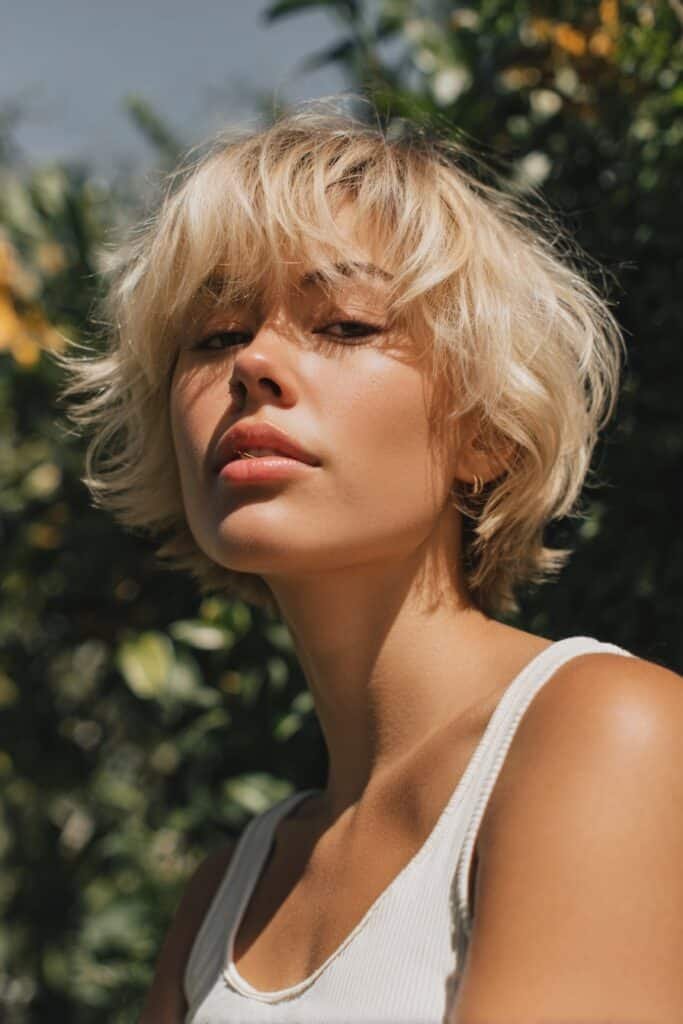
The shaggy blonde lob stands out as my favorite recommendation for clients with fine hair seeking that perfect balance between length and volume. This “beautiful chaos of natural, lived-in texture” creates movement and dimension that fine hair often lacks naturally.
Shaggy Blonde Lob texture
At its core, the shaggy lob is “the love child of two iconic styles: the classic bob and the 70s shag”. What makes this cut truly special is the strategic layering—choppy, textured sections that create an “undone edge” throughout the hair. I’ve found that these layers work wonderfully for fine-haired clients, especially when cut with precision. The texture isn’t just about appearance; it creates actual physical volume through “shorter layers around the crown” that lift the hair away from the scalp.
Shaggy Blonde Lob maintenance
One major advantage of the shaggy blonde lob? It’s remarkably low-maintenance day-to-day. Since it’s “meant to look lived in”, that bedhead look actually works in your favor! Nevertheless, to keep the style fresh, I recommend scheduling trims “every six to 10 weeks” to maintain those crucial layers that give the cut its character.
For styling, I suggest embracing your natural texture—the wavier, the better. For clients with natural waves, I recommend:
- A diffuser with mousse or curl cream to enhance texture
- Sea salt spray for straight hair to create gritty, undone texture
- Dry texturizing spray to add body without weight
Shaggy Blonde Lob volume benefits
The shaggy lob truly shines as a “game-changer for anyone looking for a bob haircut for thin hair”. Through my years of styling, I’ve seen how the “light layers add volume and create the illusion of fullness” even on the finest hair types. Furthermore, the strategic layering creates movement without sacrificing body—a critical balance for thin hair.
The blonde element isn’t just esthetic—lighter colors actually reflect more light, creating additional dimension. When combined with those crucial layers, the result is hair that appears significantly fuller. This makes the shaggy blonde lob a truly effective “short haircut for thin hair to look thicker” without relying on excessive product or daily styling.
Textured Pixie Cut
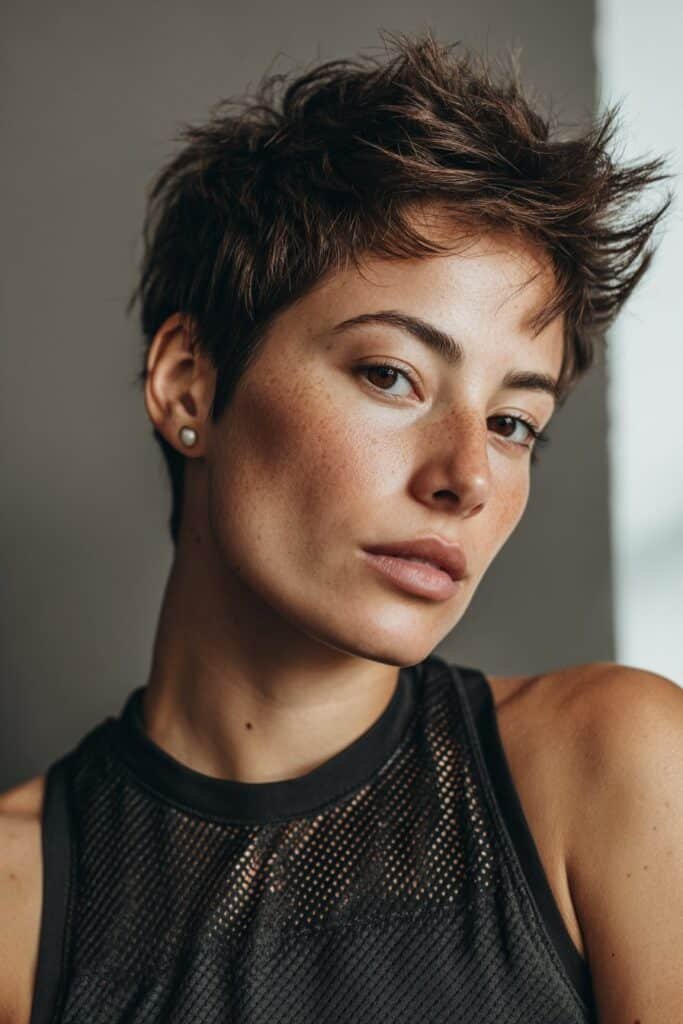
The textured pixie cut reigns supreme as the boldest option for those seeking to maximize volume with minimal hair. In my years of styling, I’ve found that nothing transforms fine hair quite as dramatically as this sophisticated yet edgy cut.
Textured Pixie Cut volume boost
The pixie is truly ‘the ultimate confidence cut when it comes to thin hair’. Indeed, the transformation of your hair texture happens instantly. What makes this style work so well for fine hair is how it creates the illusion of thickness through strategic layering. The key lies in leaving slightly longer length on top—this prevents the hair from sitting too flat against the head, consequently allowing for more visible texture and volume.
For clients with naturally fine hair, I often recommend a pixie with choppy, textured layers throughout. These layers add dimension by creating the appearance of fullness without requiring additional thickness. Furthermore, the shorter sides and back help frame the face while directing attention to the voluminous crown.
Textured Pixie Cut styling ideas
Styling a textured pixie requires the right approach for maximum impact. I tell my clients with fine hair to start by building mass into wet hair with a lightweight mousse, which helps the cut take shape without feeling crunchy. After applying product, you can either rough-dry with a diffuser using your fingers for texture, or let it air dry naturally.
Once dry, a texturizing spray or powder works wonders for creating separation and fullness. As one stylist notes, “a texture powder, such as Kevin.Murphy’s Powder.Puff, or a spray wax will add definition”. I generally advise against oil-based products, as they tend to be heavier and weigh hair down.
For extra volume at the roots, try this technique: apply volumizing product directly at the root area, then blow dry while using your fingers to lift the hair upward.
Textured Pixie Cut best for
Throughout my career, I’ve found that pixie cuts flatter most face shapes when properly customized. Oval faces can carry virtually any pixie style, whereas round faces benefit from added volume at the crown with side-swept bangs. Square faces look stunning with wispy, textured layers that soften angular jawlines.
This cut works exceptionally well for those with fine, straight hair seeking an immediate volume boost. Curly hair also thrives with a pixie, as “the natural movement gives the style a playful shape that looks full without feeling heavy”.
Ultimately, the textured pixie requires regular maintenance—trims every 3 weeks keep it looking fresh. However, day-to-day styling is remarkably quick, making this an ideal option for busy clients seeking effortless volume.
Blunt Bob with Side Part
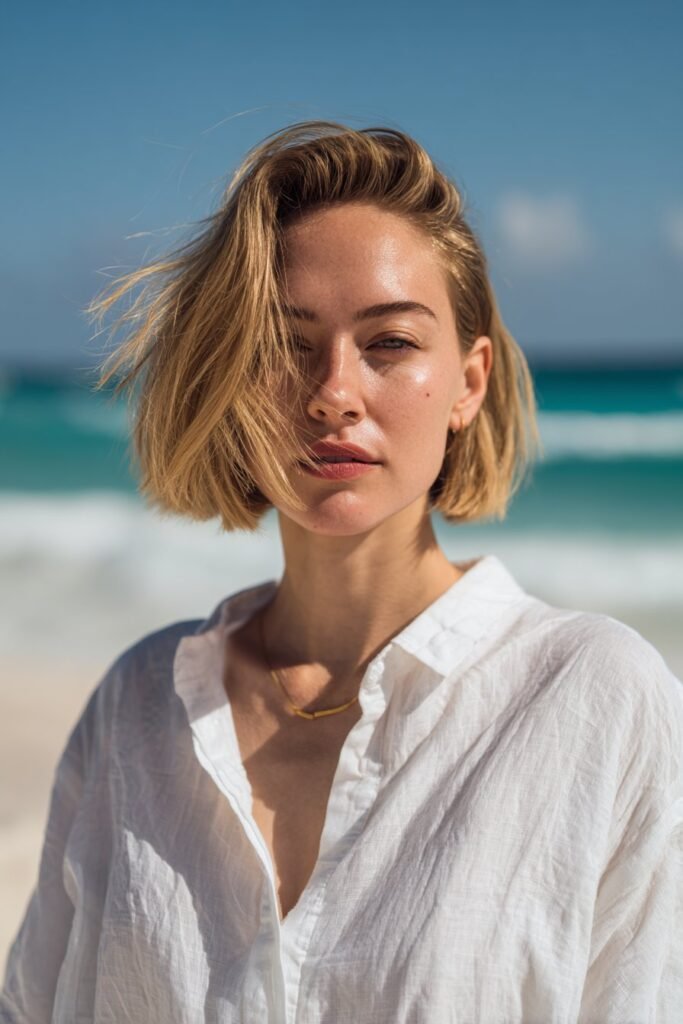
When precision meets polish, the blunt bob with side part emerges as one of my most requested styles for clients with fine hair. This sharp, structured cut creates an immediate impression of thickness through its clean, decisive lines.
Blunt Bob with Side Part structure
The defining characteristic of a blunt bob is its one-length perimeter with absolutely no layers, creating a strong, sharp edge. I’ve found that this precision cut behaves almost like a piece of art—immaculately straight and even. Typically, this style reaches the chin or slightly below, providing a structured yet stylish appearance. The side part element adds asymmetry that creates visual interest without sacrificing the clean lines that make this cut so effective.
Blunt Bob with Side Part styling
For my clients with fine hair, I recommend a specific styling approach. First, blow-dry with a flat brush, pulling the hair straight down to maintain those crisp lines. For that coveted glass-like finish, a quick glide with flat irons keeps the ends polished. The side part should be pressed in while the hair is still damp—I often suggest securing the smaller side with a flat bill hair clip during styling.
For products, I advise:
- A lightweight smoothing cream before blow-drying
- A high-quality oil throughout for protection and shine
- A small amount of shine wax to polish the final look
Blunt Bob with Side Part for fine hair
Above all, this style works wonders for fine hair because the blunt ends give the illusion of thickness and density. Plus, the side part instantly adds volume and can transform your look without requiring a drastic change. For round faces, I suggest incorporating a more subtle side part, whereas longer faces benefit from a deeper side part.
Despite its polished appearance, this style requires minimal daily maintenance—primarily a quick blow-dry for that sleek finish. Nonetheless, regular trims every 6-8 weeks are essential to maintain that sharp, structured look that defines the blunt bob.
In my experience, this particular style truly shines for clients seeking sophistication with simplicity. The sharp edge adds instant density, making it an exceptional choice for fine-haired clients looking for a timeless yet trendy option.
Bixie Haircut
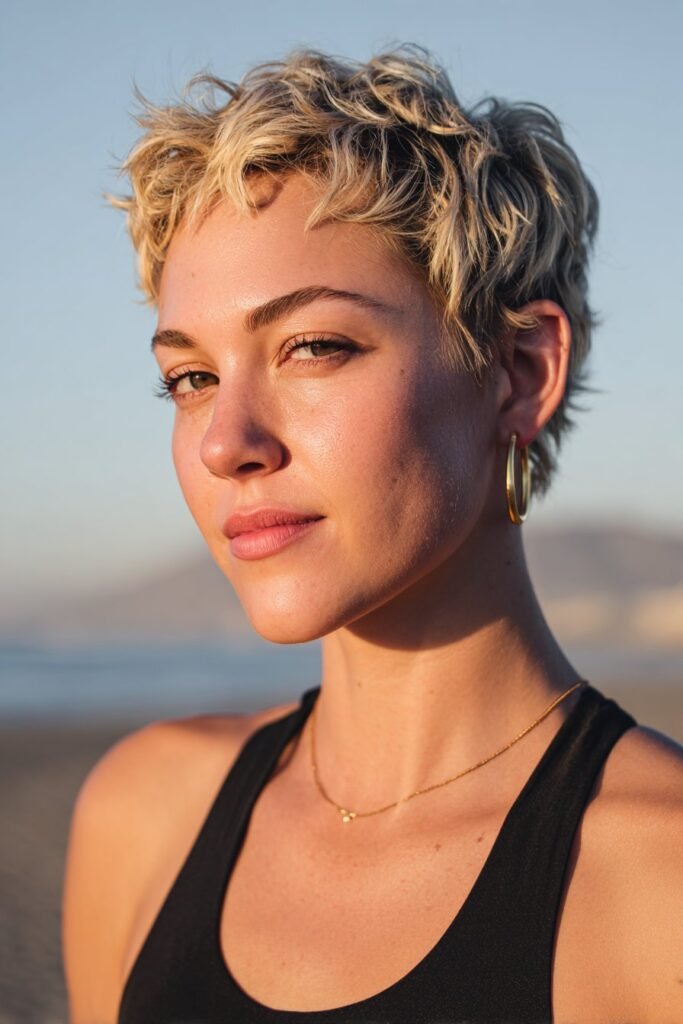
Looking for the best of both worlds? The bixie haircut has been stealing hearts in my salon as clients with fine hair discover its transformative powers. This modern hybrid combines two classic styles into one versatile look.
Bixie Haircut definition
The bixie blends the fullness of a pixie with the versatility of a shorter bob into one innovative, easy-to-care-for style. As its name suggests, it’s literally a portmanteau of “bob” and “pixie”. This cut typically falls just above or at chin length, featuring short, textured layers throughout the crown and sides, with longer pieces framing your face. Although gaining popularity recently, the bixie first enjoyed fame in the ’90s. What makes it special? The gorgeously choppy, nicely-tousled finish that offers edgy appeal with versatile styling options.
Bixie Haircut volume benefits
For my clients with fine hair, the bixie is practically magical. The layered structure provides added volume and movement, creating a perfect solution for limp locks. One reason I recommend it so often is its ability to distribute thickness evenly, preventing the “mushroomy” look that thicker hair sometimes gets with traditional bobs. The shorter, playful length paired with textured layers creates immediate lift without requiring extensive styling—precisely what fine hair needs to appear fuller.
Bixie Haircut styling tips
Once you’ve taken the plunge, here’s how I suggest styling your bixie:
- Apply texturizing spray to damp hair, then use a diffuser to enhance body
- Work a small amount of volumizing mousse through mid-lengths and ends for separation
- Experiment with partings—a deep side part adds drama and volume
Occasionally, clients ask about sleeker looks. For those days, I recommend straightening your hair with a minimal dab of serum for shine. Following regular trims every 4-6 weeks keeps your bixie looking sharp, making this cut ideal for busy folks seeking effortless volume.
Asymmetrical Bob
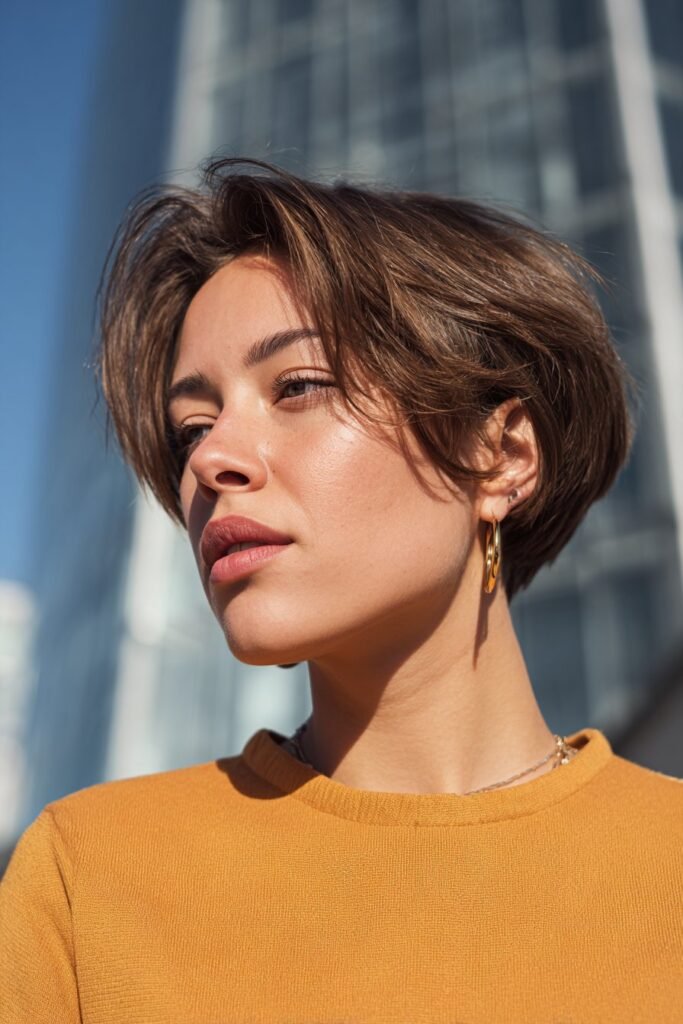
The asymmetrical bob offers an edgy twist that I’ve seen work magic for clients with fine hair. This striking style intentionally features one side shorter than the other, creating immediate visual interest and perceived volume.
Asymmetrical Bob shape
What defines this cut is its deliberately uneven lengths that create a modern edge. Unlike traditional bobs, the asymmetrical version plays with dimension, typically featuring a deep side part that highlights the intentional imbalance. I advise clients to avoid too-dramatic transitions between lengths, as this can sometimes emphasize thinness. Instead, a moderate difference creates that perfect balance of edgy yet wearable. Moreover, the cut can be customized to complement different face shapes—softening square faces by contrasting with strong jawlines.
Asymmetrical Bob styling
For daily styling, I recommend embracing the natural movement this cut provides. A light mist of dry shampoo at the roots keeps hair bouncy between washes. For added texture, I suggest clients tousle their locks gently and apply texture-boosting products. Fortunately, this style allows for versatility—you can personalize it with curtain bangs or side-swept fringe to frame the face and add even more dimension.
Asymmetrical Bob illusion of thickness
The magic of this cut lies in how it creates the impression of fuller hair. The side part combined with the asymmetrical nature forms a flattering shape that appears both playful and feminine. Additionally, the uneven cutting technique invites visual fullness. For clients with round faces, this style works wonders—the unbalanced lengths slim the face while creating the illusion of a longer neck.
Feathered Bangs with Bob
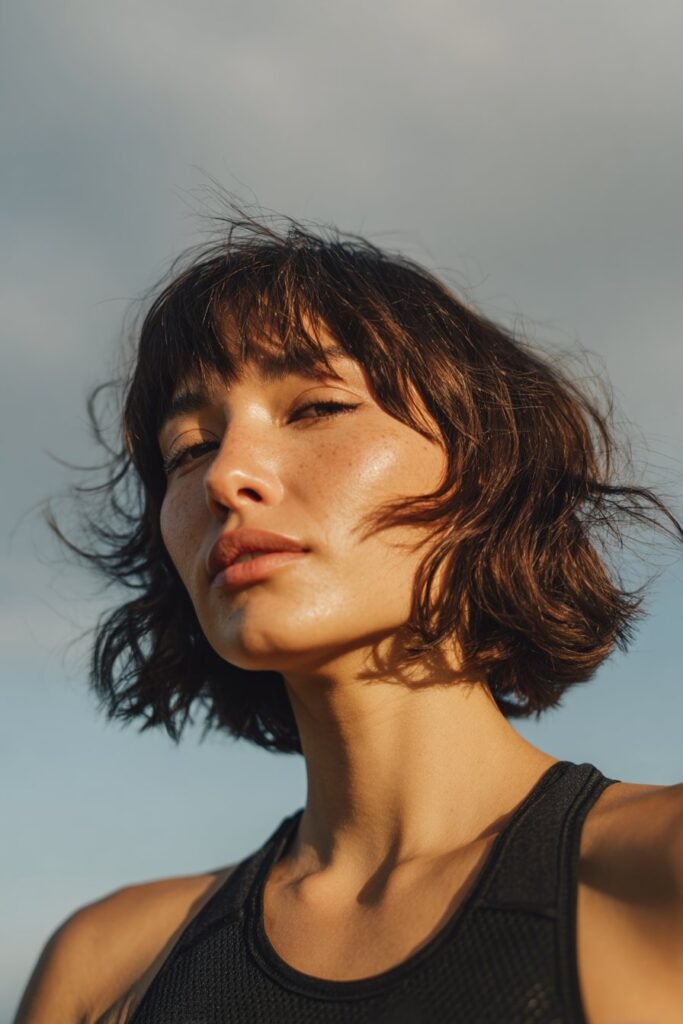
If I could choose just one magical framing technique for clients with limp locks, feathered bangs with a bob would win every time. This delicate combination creates movement that transforms lifeless strands into something beautifully dynamic.
Feathered Bangs texture
Feathered bangs showcase a light, wispy quality that mimics the soft edges of a feather. Unlike blunt-cut styles, these bangs feature textured, gentle ends that frame the face with an airy finish. This cutting technique creates layers that are tapered toward the ends, resulting in bangs that softly “feather” away from the face. The beauty lies in their subtle structure without feeling heavy—ideal for someone seeking definition without commitment to a full-weight fringe.
Feathered Bangs styling
For styling success, I recommend using a small round brush while blow-drying to create that perfect outward flick. A lightweight volumizing spray at the roots beforehand works wonders for lift. Occasionally, clients prefer a more tousled look, which requires simply scrunching in sea salt spray and allowing the feathers to fall naturally. Remember that feathered bangs should never look too perfect—their charm comes from that slightly undone quality that appears effortless.
Feathered Bangs for thin hair
The graduated layers in feathered bangs push hair outwards, creating natural lift that gives a fuller silhouette to otherwise flat strands. This technique is remarkably flattering on fine to medium hair textures, building dimension without weighing hair down. Furthermore, feathered bangs instantly soften angular features while adding a sense of dynamic movement throughout the entire bob style.
Glossy Blunt Bob
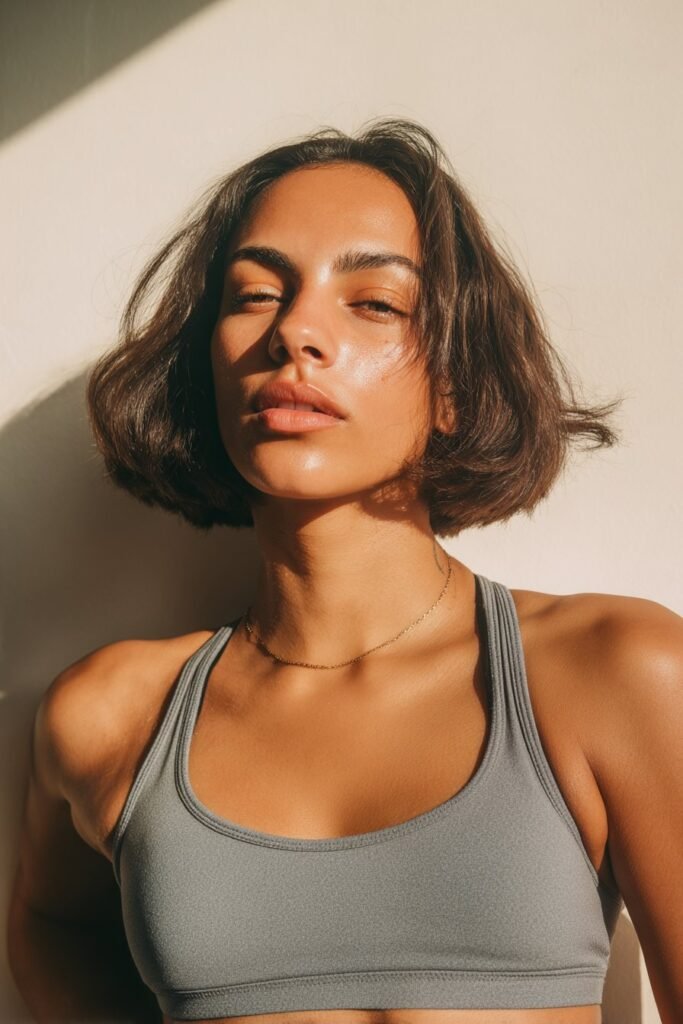
The glass-like shine of a glossy blunt bob makes it my secret weapon for clients seeking a sophisticated upgrade for fine hair. This jaw-skimming, reflective cut instantly transforms limp strands into a polished statement that commands attention.
Glossy Blunt Bob finish
The defining characteristic of this style is its mirror-like shine paired with sharp, clean lines. Unlike textured styles, this cut concentrates all weight at the bottom, creating a blunt line that draws the eye to the ends, making hair appear substantially thicker. To achieve that signature glass hair effect, initially apply a smoothing serum to freshly washed hair. Thereafter, blow-dry downward—never upward as this creates frizz—using a large round brush for smoothness. Finally, glide straightening irons over small sections from roots to tips, finishing with a light serum for that enviable shine.
Glossy Blunt Bob maintenance
Maintaining this sleek style requires commitment. Regular trims every 6-8 weeks are non-negotiable to preserve those sharp ends. At home, I advise clients to invest in smoothing shampoo regardless of hair type, plus heat protectant before using any hot tools. For between-wash refreshes, straightening can make your bob look brand new without shampooing. Sleeping on silk pillowcases helps minimize frizz and maintain shape overnight.
Glossy Blunt Bob for sleek look
This style works beautifully on oval or heart-shaped faces, though rounder faces can balance the look with a side part. Primarily designed for fine to straight hair or those with slight waves that can be easily smoothed, its one-length precision creates an instant impression of expensive-looking thickness. For clients seeking a sophisticated yet low-maintenance daily routine, this bob delivers elegant simplicity with maximum impact.
Side-Swept Pixie
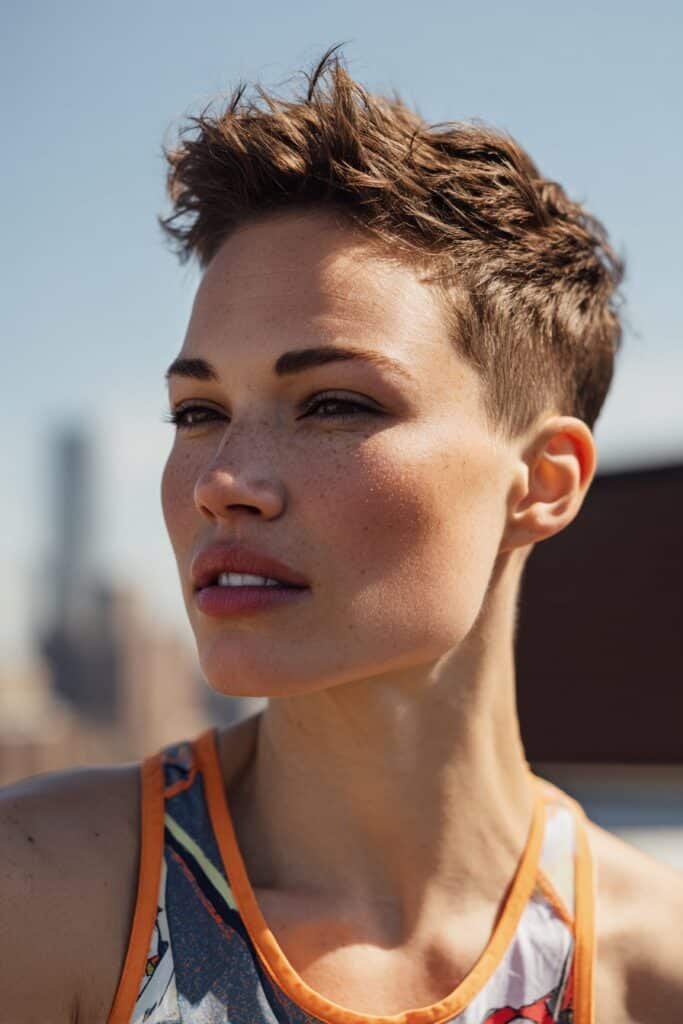
For a modern take on short styles that offers both elegance and volume, I adore the side-swept pixie. This versatile cut perfectly balances sophistication with an effortless vibe that works wonders for clients dealing with limp locks.
Side-Swept Pixie structure
The side-swept pixie features inherent asymmetry—longer fringe that gracefully sweeps across the forehead while maintaining shorter, tapered sections at the nape and back. This interplay of varying lengths creates immediate depth and movement. What sets it apart is how the pronounced side part guides that longer fringe across the forehead, creating a flattering frame around the face. Some of my clients opt for a caramel-toned version, where highlights add warmth and dimension to the style.
Side-Swept Pixie styling
Styling this cut is surprisingly simple! First, rough-dry your hair completely. Subsequently, apply a small amount of firm-hold gel or texture paste through your fingers before distributing it throughout your hair. For a sleeker look, brush freshly blow-dried hair in a side-swept motion, securing with hairspray. Alternatively, create a chic disheveled effect by using texturizing powder at the roots for natural lift. For clients with longer faces, I recommend a softer side-swept style with less volume on top.
Side-Swept Pixie for volume
This ultra-modern cut flatters round and square face shapes beautifully. Overall, it gives fine hair more presence through its strategic layering. The side-swept element instantly adds volume without excessive styling—perfect for straight to wavy fine textures. As a bonus, the longer, side-swept bangs blend seamlessly into the tapered cut, creating a multi-dimensional look that appears fuller than it actually is.
Layered Lob

The layered lob truly stands as a lifesaver for those with baby-fine strands needing an instant refresh. My clients consistently praise this versatile cut that creates the illusion of fullness without sacrificing length.
Layered Lob movement
The magic of this style lies in how carefully-constructed layers instantly add thickness and texture, simultaneously making styling easier. Unlike one-length cuts, these strategic layers create a natural tousled appearance that adds both movement and dimension. Accordingly, the lob’s layers remove bulk yet add texture and lift, making hair appear fuller without requiring heavy styling. I’ve found that keeping the ends blunt while incorporating subtle layers maintains that coveted thickness at the bottom—crucial for preventing fine hair from looking stringy.
Layered Lob styling
For daily styling, I recommend starting with a texturizing spray on damp hair, followed by blow-drying with a round brush for body and bounce. Undeniably, a deep side part dramatically increases volume—essentially lumping all your hair together on one side creates the most fullness while lifting the roots. For those seeking defined texture, apply a dry texturizer for an instant tousled look without weighing strands down.
Layered Lob for fine hair
With thin hair, I always caution against too many layers which can look choppy. Instead, opt for soft, long layers that add dimension without compromising fullness. The layered lob typically falls between shoulders and collarbone—a perfect length that remains manageable yet stylish. For maximum effectiveness, ask your stylist to start layers midway between crown and ends.
Chin-Length Bob with Curtain Bangs
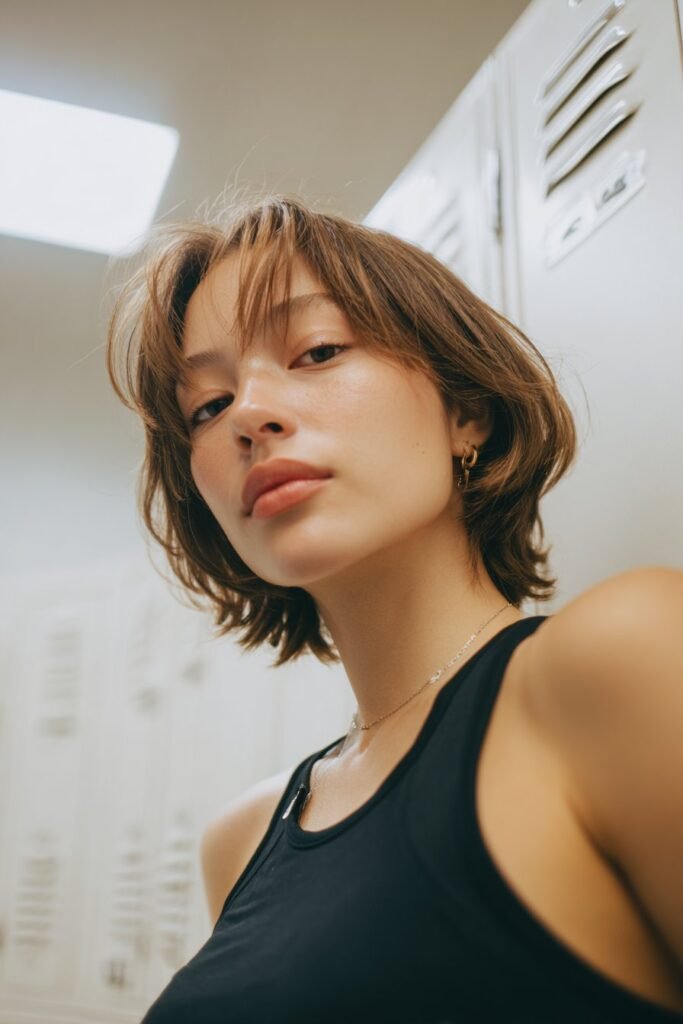
This chin-length bob paired with sweeping curtain bangs creates what I like to call the “sweetheart frame”—one of my most effective solutions for clients seeking to enhance fine hair’s appearance without excessive styling.
Chin-Length Bob shape
The magic of this style lies in its precise jawline-grazing length. Fundamentally, this short, structured cut hits perfectly at the chin, creating ideal proportions that frame your face beautifully. What makes it distinctive is that effortless “I woke up like this” vibe that looks intentionally casual yet polished. Typically, I recommend this cut be kept fairly blunt at the perimeter to maximize thickness, as blunt hairstyles make thin hair appear super thick and healthy. The clean lines of this bob provide a solid foundation that instantly creates the illusion of fullness.
Curtain Bangs styling
For styling these complementary bangs, I start by blow-drying them with a round brush, sweeping them outward from a center part. Interestingly, these wispy bangs don’t require perfect styling—their charm lies in their slightly undone appearance. For clients with naturally straight hair, I suggest:
- Using a light texturizing spray at the roots
- Gently tousling the bangs with fingers after drying
- Avoiding heavy products that weigh down fine strands
Chin-Length Bob for face framing
Notably, this combination works wonders for enhancing facial features across various face shapes. The bob itself provides structure, yet those sweeping curtain bangs create a softening effect that produces a stunning, sweetheart-like framing. For round faces, the vertical lines of the bob elongate, primarily drawing attention away from fuller cheeks. Heart-shaped faces benefit from how the curtain bangs balance a narrower chin, creating perfect harmony.
Soft Shag with Wispy Layers
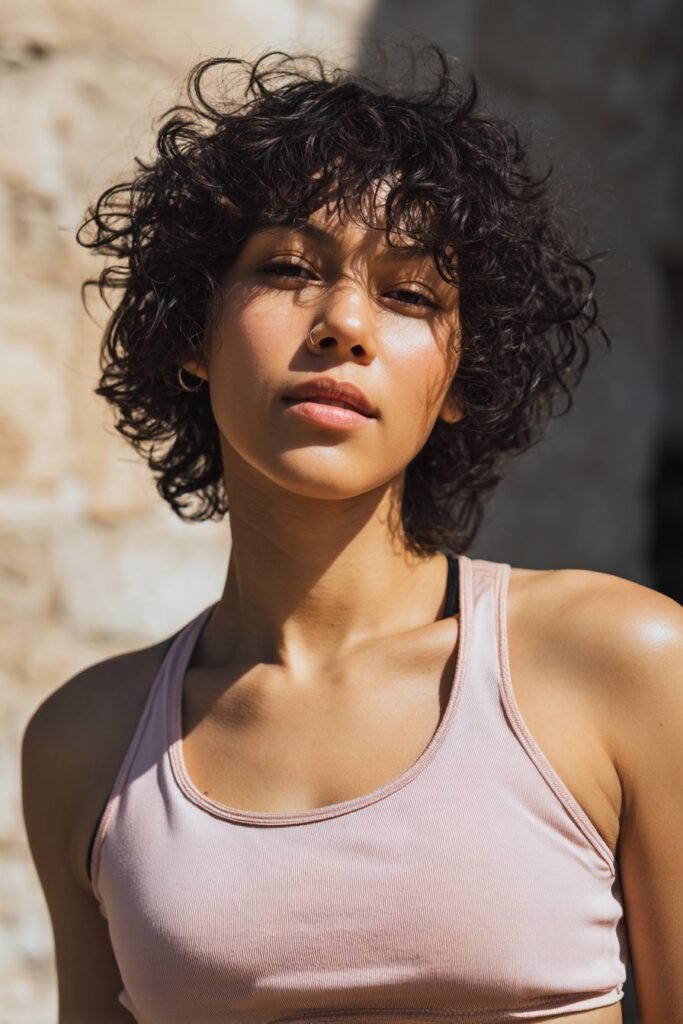
The soft shag truly embodies what I call “organized rebellion”—a perfect middle ground between structure and freedom for anyone struggling with limp locks.
Soft Shag texture
This feathery cut features lightweight layers that create soft, airy movement without looking heavy. Unlike traditional shags, this modern interpretation uses softer layers rather than choppy ones, creating a less messy, more feminine approach. In essence, these wispy layers appear thin at the front, making the rest of your style look fuller—precisely what fine hair needs.
Soft Shag volume
Primarily, this cut combats flatness by using strategic layers to create the illusion of volume. The layers provide natural lift at the crown and midsection, giving fine hair that coveted fullness. For straight-haired clients, I’ve found that these layers instantly add dimension that wasn’t there before. As a result, the texture of natural waves stands out with minimal styling effort.
Soft Shag styling tips
To enhance your soft shag:
- Apply a lightweight mousse or texturizing spray (never heavy products)
- Use a diffuser when blow-drying to boost natural texture
- For straight hair, create soft curls with a curling iron for added fullness
- Finger-comb curls for a tousled, lived-in finish
Ultimately, this cut serves as your best-fitting dress—wear it with minimal accessories and unfailingly look flawless.
Voluminous Piecey Lob

I’ve watched countless clients transform in my chair with the piecey lob—a textured treasure that instantly builds body for even the finest strands.
Piecey Lob texture
Fundamentally, this cut features slightly uneven, choppy ends that create depth and definition. Unlike traditional lobs, these deliberately “piecey” elements add immediate dimension. The uneven cutting technique invites visual fullness with intentionally textured ends. For this look, point-cutting with shears (not razors) creates that coveted texture without thinning already-fine hair.
Piecey Lob volume
The beauty of this style lies in how it builds fullness precisely where fine hair needs it most. First and foremost, keeping length above your collarbone prevents ends from thinning out. Given that fine hair tends to fall flat, those choppy layers create an optical illusion of thickness. Primarily, the beachy wave styling gives strands bounce and movement, which helps immensely if your hair typically lacks body.
Piecey Lob styling
To maximize this cut’s potential:
- Apply styling mousse to your roots to prevent flattening
- Flip your hair over and scrunch with texturizing spray for instant volume
- Use a 1-inch curling iron for full waves that add body without looking overdone
Ultimately, this “playful, undone effect” creates an effortless look that’s both low-maintenance and volumizing.
French Bob
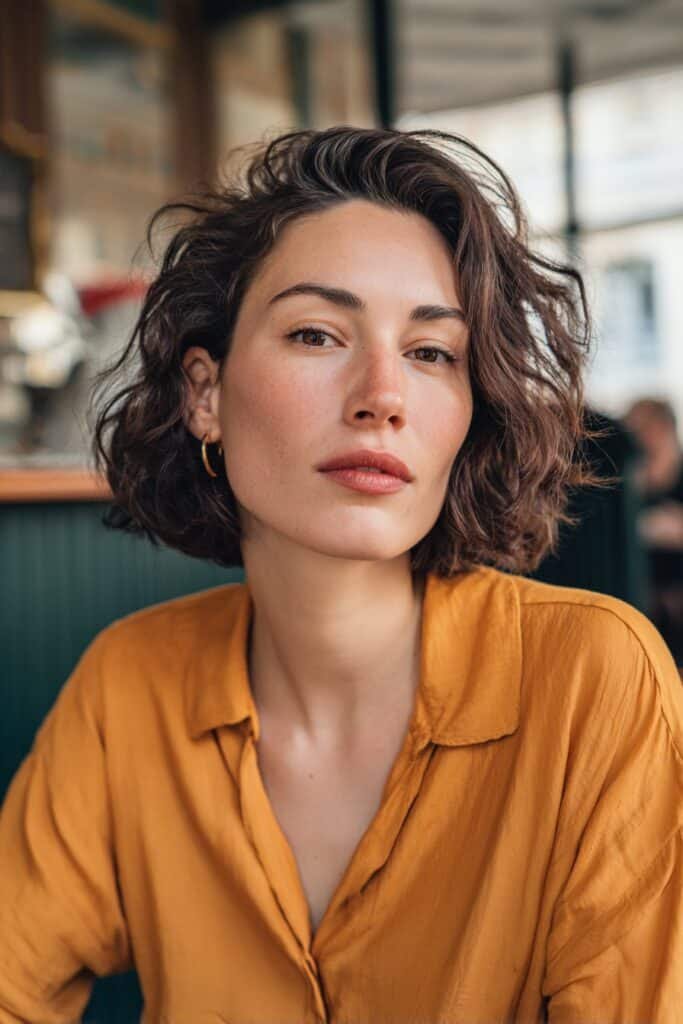
Historically rooted in 1920s rebellion, the French bob has evolved into an effortlessly chic option that works wonders for my fine-haired clients. This iconic cut embodies that coveted Parisian nonchalance while delivering impressive volume.
French Bob structure
The quintessential French bob sits precisely at or just above the jawline, creating a sharp yet relaxed silhouette. Unlike traditional bobs, it features a bluntish line that’s intentionally less severe. Typically paired with soft bangs that graze the eyebrows, this cut frames facial features beautifully. Its distinctive “U shape” adds character that immediately signals French-girl chic.
French Bob styling
Styling this cut celebrates natural texture rather than fighting against it. For straight hair, I recommend blow-drying with a round brush for smoothness plus slight curve at the ends. Alternatively, enhance natural waves by applying lightweight mousse to damp hair before diffusing on medium heat. Specifically for fine hair, avoid heavy products—opt for texturizing sprays or powders that create separation without weighing strands down.
French Bob for fine hair
This style truly shines on fine hair—the blunt ends build immediate fullness plus create the illusion of thickness. Primarily, it offers that rare combination of sophistication with minimal styling effort. For clients with especially fine strands, I suggest keeping it shorter (around earlobe length) for maximum volume.
Pixie with Tapered Sides
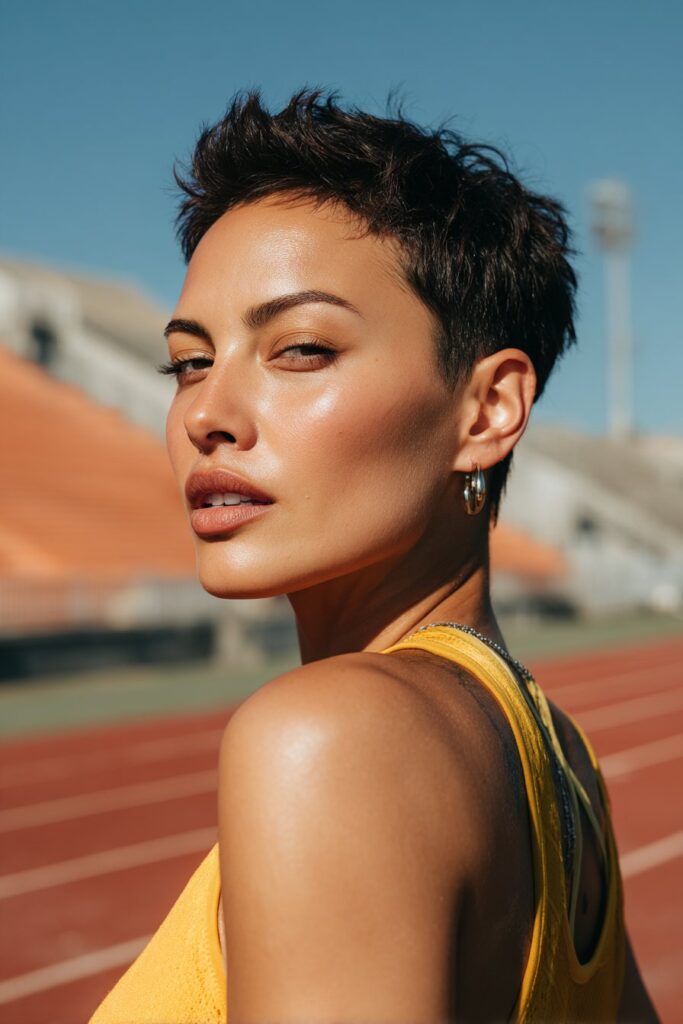
A precisely tapered pixie creates architectural elegance that works brilliantly for fine hair seeking both structure and lift. Among all my client transformations, this structured yet playful cut delivers remarkable results with minimal maintenance.
Tapered Pixie shape
The architectural precision of this style lies in its meticulously crafted structure. The back and sides are tapered into the head, creating a sleek foundation that hugs your scalp beautifully. The top remains slightly longer with subtle layering, forming an appealing contrast that frames your face. This isn’t merely any short cut—it’s deliberately designed with graduated layers that start short and grow longer toward the crown, building natural volume without excessive product.
Tapered Pixie styling
For daily styling, I recommend embracing your natural texture whenever possible. Simply rough-dry your hair, run your fingers through it, and “scruff” the roots slightly for instant lift. Alternatively, apply a leave-in conditioner with styling benefits and diffuse-dry for beautiful texture. A texture powder or spray wax adds wonderful definition without weighing down fine strands. Primarily, avoid oil-based products as they tend to flatten already-fine hair.
Tapered Pixie for lift
The magic happens through those shorter, graduated layers that naturally lift hair away from the scalp. This architectural approach creates immediate volume illusion at the crown—precisely where fine hair needs it most. Chiefly, this style works beautifully on oval, heart, and square faces when properly customized to your unique features.
Sleek Mid-Length Cut
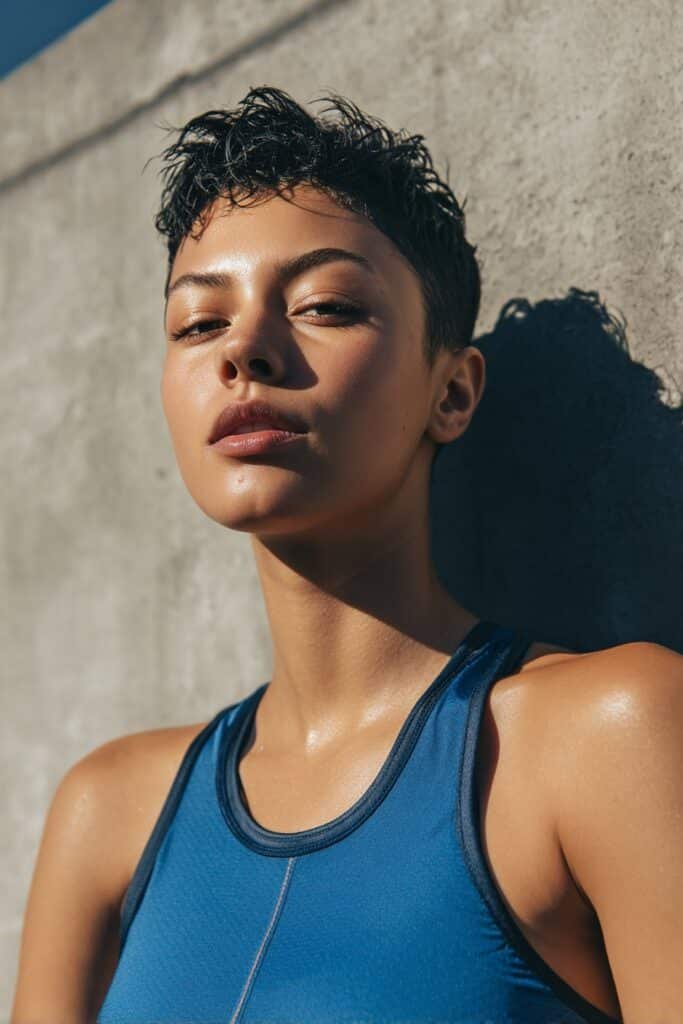
The elegant simplicity of a sleek mid-length cut has made it my reliable recommendation for clients seeking a polished yet volumizing option. This understated style proves that sometimes less truly delivers more, particularly for those with delicate strands.
Sleek Mid-Length Cut features
This sophisticated cut typically hits anywhere from below the chin to the collarbone—roughly 12 to 18 inches long. Undoubtedly, this length sweet spot works perfectly for fine hair as it’s short enough to prevent strands from falling limp yet long enough to create shape and movement. The magic lies in maintaining a solid, one-length shape that preserves precious weight at the ends. “The more solid the shape for thinning hair, the better,” as maintaining density creates the best results without removing weight where you need it most.
Sleek Mid-Length Cut styling
To style this look effectively, I recommend blow-drying with a flat brush, pulling hair downward to maintain those clean lines. For that coveted glass-like finish, a quick pass with flat irons keeps the ends polished. Flipping ends slightly inward adds retro glamor while creating the illusion of thickness—a technique I’ve found transformative for clients with minimal natural volume. Light styling products like volumizing sprays work wonderfully without weighing down delicate strands.
Sleek Mid-Length Cut for thin hair
This cut truly excels for fine hair because the blunt, even ends create an immediate impression of thickness. In contrast to heavily layered styles, this sleek approach preserves fullness precisely where thin hair needs it most—at the perimeter. Therefore, the hair appears healthier, shinier, and substantially thicker with minimal styling effort.
Conclusion
Finding the perfect hairstyle for fine hair doesn’t have to feel like an impossible quest. Throughout my years as a stylist, I’ve seen countless clients leave my chair feeling confident and renewed after choosing one of these transformative short cuts. Whether you prefer the edgy appeal of a textured pixie, the sophisticated elegance of a blunt bob, or the effortless charm of curtain bangs, each style offers unique benefits specifically designed for fine hair.
These haircuts work wonders because they address the fundamental challenges of fine hair. Blunt cuts maintain precious weight at the ends, while strategic layers create movement without sacrificing volume. Essentially, shorter styles remove the excess length that weighs thin hair down, instantly creating the appearance of fuller, more voluminous locks.
Your face shape certainly plays a crucial role when selecting the ideal style. Round faces benefit from asymmetrical cuts that create length, whereas square faces look stunning with softer, more textured options that balance angular features. Heart-shaped faces pair beautifully with chin-length bobs and wispy bangs that soften wider foreheads.
Styling these cuts requires surprisingly minimal effort. Most work wonderfully with lightweight products like texturizing sprays, volumizing mousses, or dry shampoo applied at the roots. The key lies in choosing products specifically formulated for fine hair – ones that add volume without creating heaviness.
Remember that commitment levels vary between styles. Though a pixie delivers maximum impact, it requires regular trims every 3-6 weeks. Meanwhile, lobs and bobs offer versatility with less frequent maintenance appointments.
Last but certainly not least, trust your stylist to customize these looks to your specific hair texture and lifestyle needs. The perfect cut should complement your natural hair pattern while fitting seamlessly into your daily routine.
Actually, the most beautiful hairstyle is one that makes you feel confident. These sixteen options offer something for everyone – regardless of whether you prefer classic elegance or trendy edge. Fine hair might present challenges, but with these stylist-approved cuts, you’ll discover it can be your greatest asset rather than something to overcome.