
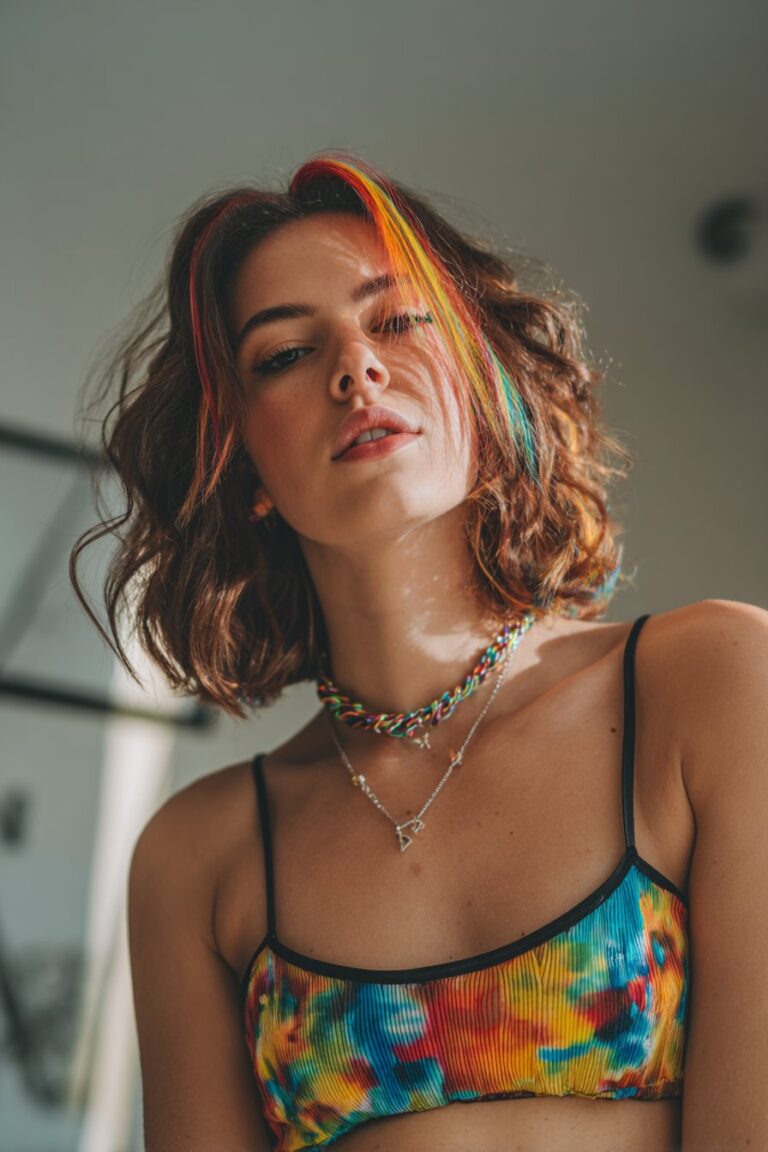
When I first discovered halo hair dye techniques early in my career, something clicked inside me. I remember standing behind my chair in a small New York studio, watching a simple placement of color completely transform not just someone’s hair, but the way she held herself. She stood taller. She smiled wider. That moment reminded me exactly why I fell in love with beauty in the first place. Halo hair dye is one of those magical techniques that gives the illusion of light wrapping around the head like a crown, and over the years I have worked with this method in more ways than I can count. Today I want to walk you through fourteen of my absolute favorite halo hair dye styles, each one unique, each one powerful in its own way. Whether you are a total beginner or someone who has been coloring hair for years, I promise there is something here for you.
Classic Halo Highlight
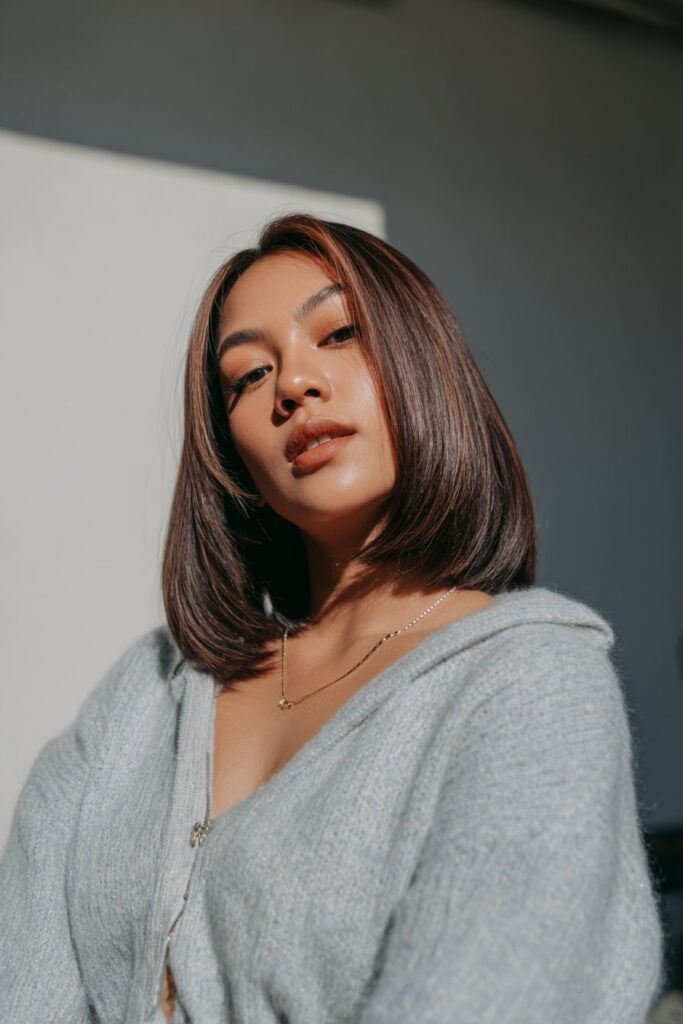
There is a reason this one never goes out of style. The classic halo highlight is the style that started it all for me, and every time I use it on a client, I fall in love with it all over again. It is clean, effortless, and flatters practically every face shape and skin tone.
What it is and how it works
The classic halo highlight involves placing lighter, usually blonde or golden tones, in a halo formation around the crown of the head. The placement sits roughly where a crown or halo would rest, leaving the underlayers darker and richer. This contrast creates a natural sun-kissed effect that mimics the way light naturally falls on hair when you step outside. The darker roots blend seamlessly into the lighter halo band, giving depth and dimension without looking overdone. I always say this technique is nature’s way of doing highlights, and our job is simply to replicate it.
Best for natural and effortless looks
This style is genuinely best for anyone who wants low-maintenance color that still looks polished. If you are someone with a busy lifestyle, someone who does not want to sit in a salon chair every six weeks, this is your match. It works beautifully on straight, wavy, and curly hair and looks stunning on medium to light brown base colors. I have done this on clients with fine hair and thick hair alike, and it never disappoints. The halo framing effect also gives the illusion of fullness at the crown, which is a major bonus for anyone dealing with thinner hair at the top.
How to achieve it at home
Start by sectioning your hair so that the top layer sits separate from the rest. The halo band should be roughly two inches wide from the crown down. Apply your chosen highlight shade using a foil or freehand balayage technique through that section only, leaving the rest of your hair untouched. The key is blending at the edges so there is no hard line where the lighter color meets the darker base. A toning gloss applied afterward will soften everything and give you that luminous, lived-in look.
Reverse Halo
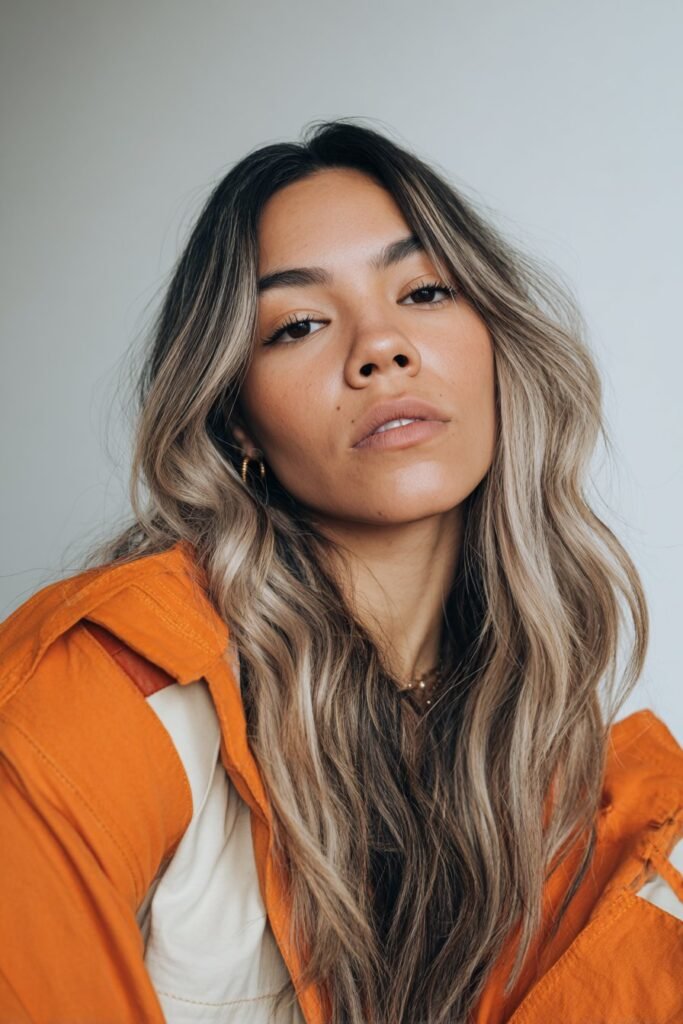
I started playing with the reverse halo after a client came to me wanting something edgy but not dramatic. She had a warm honey base and wanted to feel bold without a complete overhaul. The reverse halo was exactly what we needed, and it changed the game for both of us.
What it is and how it works
The reverse halo flips the traditional concept. Instead of placing lighter tones at the crown, you place a darker, richer shade in that halo band while keeping the ends and lower lengths lighter. It creates a moody, dramatic depth at the top while the lighter pieces frame the face and brighten the ends. The visual effect is incredibly striking. It gives the hair a sense of mystery while still feeling modern and intentional.
Best for bold and dramatic statements
This style suits people who want depth and drama without going fully dark all over. It is especially flattering on those with naturally lighter hair who want to add richness without committing to a full dye job. I find it works beautifully on blondes who want to feel more sultry or on those transitioning from a darker color and wanting to wear the grow-out artfully.
How to achieve it at home
Section out that crown halo band and apply a shade two to three levels darker than your current base. Blend downward at the edges with a soft brush or your fingers to avoid any harsh lines. Leave your lower lengths and face-framing pieces in their natural or lighter state. The contrast is the whole point here, but the blend is what makes it look intentional rather than accidental.
Copper Halo
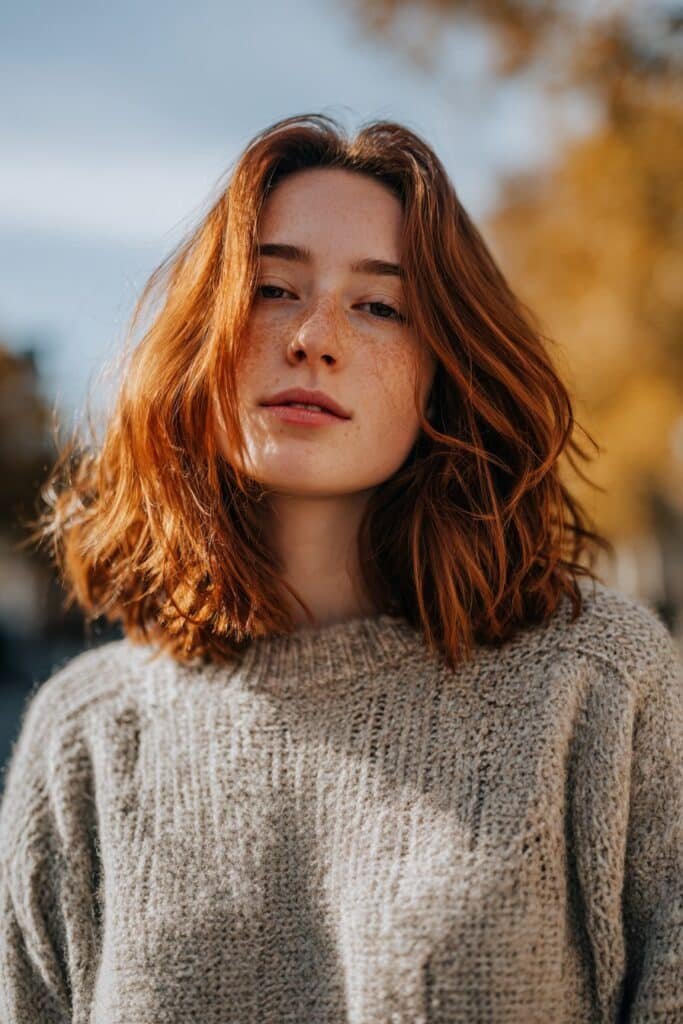
Copper is one of those shades I am completely obsessed with. When I place it in a halo formation, the warmth it radiates is almost unreal. I once worked with a client who had cool-toned skin, and I was nervous about copper on her, but the halo placement made it work because it sat away from her face and just glowed around her crown like liquid fire.
What it is and how it works
A copper halo uses shades ranging from burnt sienna to bright tangerine placed through the crown halo zone. The warmth of copper against a darker or neutral base creates an almost autumnal glow, like the hair is lit from within. The strategic placement keeps the warmth from overwhelming the complexion, which is why the halo zone is the perfect spot for such a bold tone.
Best for warm and rich seasonal looks
Copper halo is incredible for fall and winter, though honestly, it looks stunning year-round. It works best on medium to dark bases where the warmth pops without washing out. I recommend it especially for those with warm, olive, or golden undertones in their skin, though as I mentioned, placement in the halo zone can make it work for cooler skin tones too.
How to achieve it at home
Choose a copper shade that is within two to three levels of your natural hair color for the most believable result. Apply through the crown section using foils or a brush and work quickly since copper tones process fast. After rinsing, use a color-protecting conditioner and avoid washing too frequently in the first week to preserve that luminous depth.
Pastel Halo
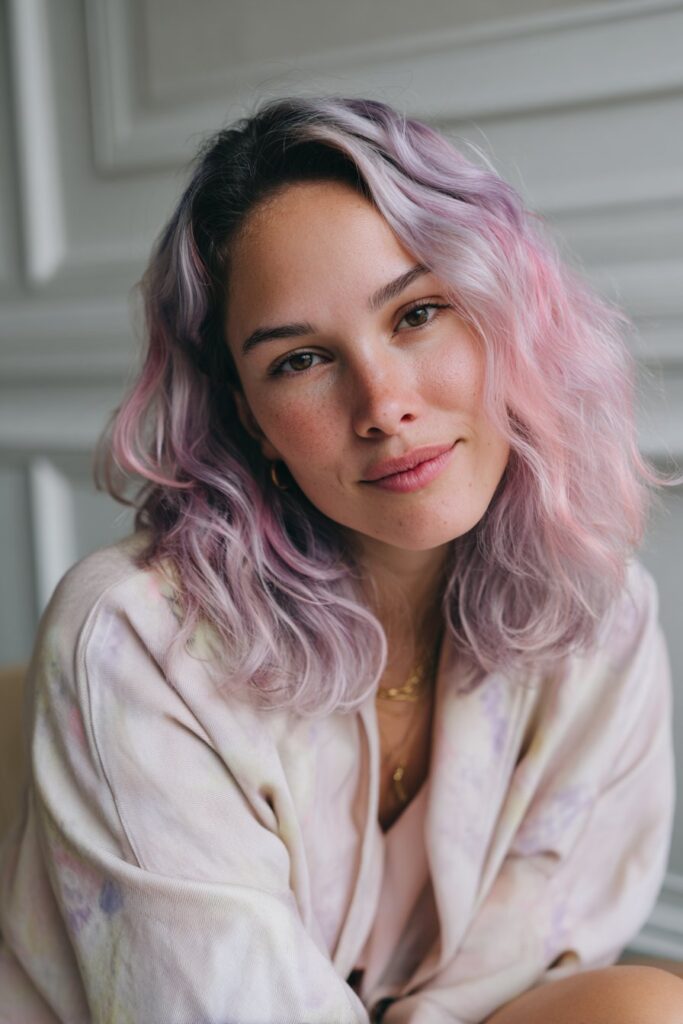
I remember the first time I introduced pastel shades into a halo placement. It was for a creative editorial shoot and the model had dark brown hair. We pre-lightened just the crown section and dropped the most delicate lavender through it. The photographs were breathtaking. Since then, pastel halos have become one of my most requested creative color techniques.
What it is and how it works
A pastel halo involves pre-lightening the crown section to a pale blonde and then applying soft, muted shades like lavender, dusty pink, baby blue, or mint through that halo band. The rest of the hair stays in its natural or darker state. The result is a dreamy, ethereal contrast that looks almost otherworldly. Because the pastel sits only at the crown, it feels wearable even for those who might feel nervous about bold color.
Best for creative and artistic expressions
This style is perfect for anyone with a creative spirit who wants to experiment with color without going fully committed. It is especially popular among those who love fantasy aesthetics, boho styles, or artistic fashion. I have done pastel halos on clients ranging from teachers to graphic designers, and every single one of them walked out feeling like a completely different version of themselves.
How to achieve it at home
Pre-lightening is the most important step here. The crown section needs to reach a pale yellow or platinum blonde before any pastel shade will show up properly. Once lightened, mix your pastel shade with a generous amount of white conditioner to dilute it and create that soft, muted effect. Apply, process for thirty to forty-five minutes, and rinse with cool water to lock in the tone.
Silver Halo
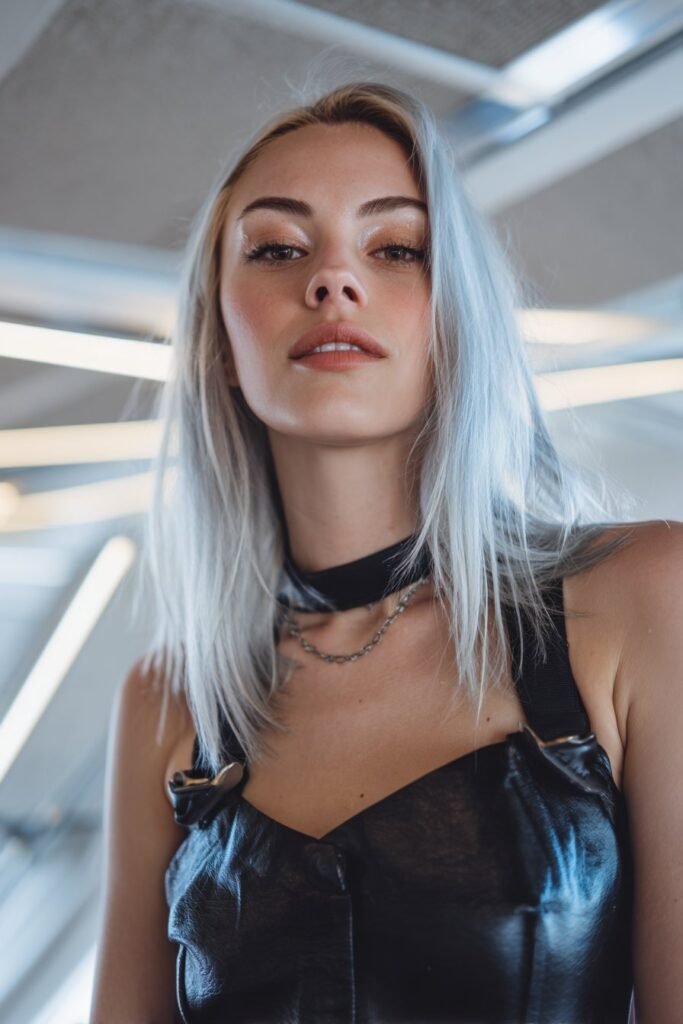
Silver is a shade I have a deep personal relationship with. I went silver in my own hair for a period of time and it was one of the most empowering things I have ever done. Placing silver in a halo formation adds sophistication and edge in equal measure, and I love recommending it to clients who want to feel powerful.
What it is and how it works
A silver halo places cool, metallic, or steel-toned silver through the crown zone while the rest of the hair remains in a darker base. The silver can range from soft pearl to deep gunmetal, depending on the vibe you are going for. The metallic quality of silver catches light in a way that no other shade does, and at the crown, it creates almost a reflective crown effect that is nothing short of stunning.
Best for edgy and sophisticated styles
Silver halo works beautifully on those who want to lean into an edgy, fashion-forward look. It is also a wonderful choice for anyone who has natural grey starting to come in at the crown and wants to lean into it rather than fight it. I have embraced natural grey for so many clients this way and watched them go from feeling self-conscious about it to absolutely owning it.
How to achieve it at home
Pre-lightening is required for silver to read properly. Once the crown section is at pale blonde, apply a silver toner or direct dye in your chosen silver shade. Purple shampoo used regularly will maintain the tone and prevent it from going brassy. Olaplex or a similar bonding treatment is a great idea before and after the lightening process to keep the hair healthy.
Balayage Halo
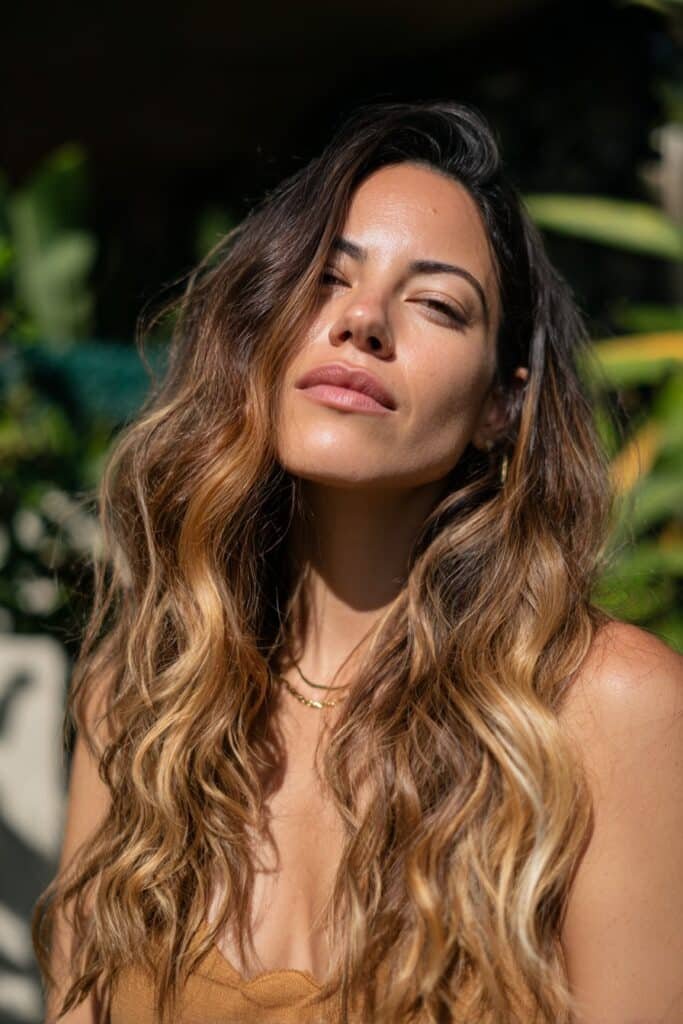
Balayage and the halo technique are a dream combination. I started merging these two approaches a few years into my career and the results were consistently some of my most breathtaking work. It is where art really meets technique.
What it is and how it works
Balayage halo combines the freehand painting of balayage with the strategic halo placement. Rather than foiling or sectioning rigidly, color is swept and feathered through the crown zone using soft, hand-painted strokes. The result is incredibly natural looking, with soft gradients and variations in tone that mimic the way sunlight plays across hair throughout the day. No two balayage halos look exactly alike, which is part of what makes it so special.
Best for natural and sun-kissed tones
This technique is best for those who want a result that looks like they spent all summer outdoors. It suits every hair type but especially shines on wavy and curly textures where the color variation becomes part of the overall movement and dimension. I always recommend this for clients who say they want something that looks effortless, because that is exactly what it delivers.
How to achieve it at home
Use a highlighting brush to sweep your color through the crown section in soft, diagonal strokes rather than applying it in even blocks. Concentrate color on the mid-lengths of the halo section and feather it upward toward the root and downward toward the lower lengths. The goal is never a hard line. Blending is everything in balayage, so take your time and keep those transitions soft.
Brunette Halo
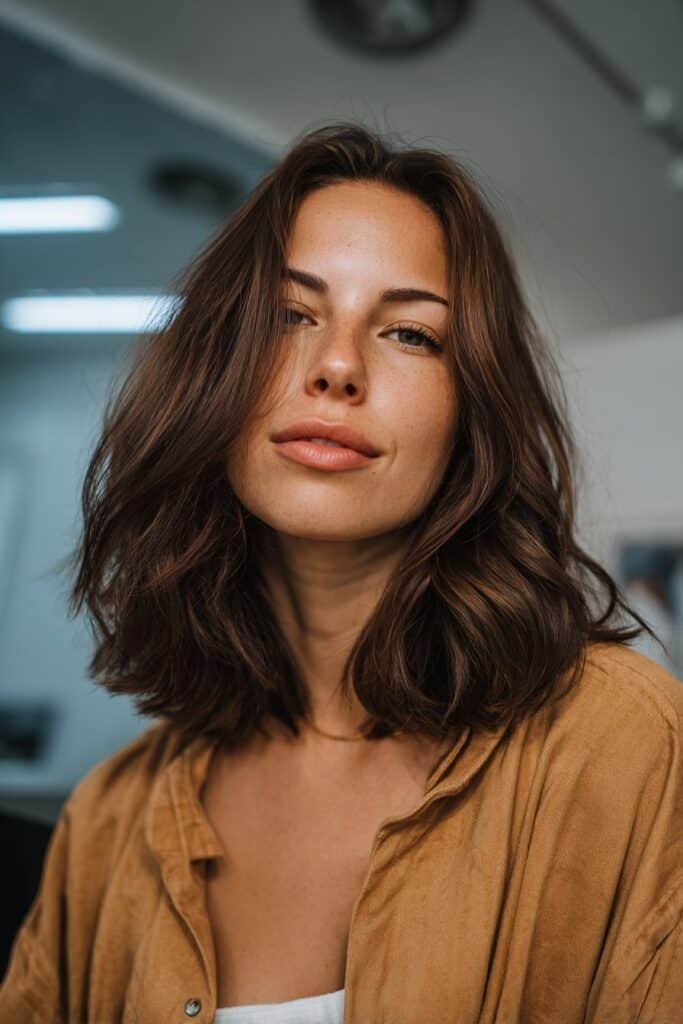
Not every halo needs to be about going lighter. I have worked with so many brunettes who assumed halo techniques were not for them, and proving them wrong is one of my favorite things to do in the salon. The brunette halo celebrates the full spectrum of brown tones and the result is deeply rich and incredibly luxurious.
What it is and how it works
The brunette halo plays with different shades within the brown family. Instead of lifting to blonde, you add warm chestnuts, cool mocha, or rich chocolate through the crown zone against a slightly different base tone. The variation in browns creates dimension that makes dark hair look full, glossy, and multi-dimensional. It is all about tonal contrast within the same color family.
Best for dark hair with depth and dimension
This is ideal for those with naturally dark hair who want color but are not interested in the upkeep that lightening requires. The brunette halo requires minimal maintenance because there is no harsh regrowth line and the tones stay within a natural range. I especially love this for clients with thick, heavy hair because the dimensional placement makes the hair look layered even when it is blunt cut.
How to achieve it at home
Choose two to three shades within the brown family, one of which should be slightly warmer or cooler than your natural base. Apply the contrasting shade through the crown halo section, blending at the edges. A gloss treatment after coloring will seal everything and give that incredible shine that makes brunette hair look like it has a light on inside it.
Ombre Halo

Ombre and halo seem like opposites because ombre is traditionally about gradient from roots to ends, but when you combine them, something truly unexpected and beautiful happens. This is one of my favorite experimental techniques because it breaks the rules in the best possible way.
What it is and how it works
An ombre halo creates a gradient effect specifically within the crown halo zone itself. The crown band transitions from darker at the scalp to lighter as it moves outward, while the rest of the hair below stays consistent. It essentially creates a miniature ombre effect right at the top of the head, which gives an incredibly unique and layered visual when the hair moves.
Best for textured and layered hairstyles
This style is absolutely at its best on layered cuts and textured styles where the movement of the hair reveals the gradient from different angles. Curly and wavy hair especially showcases this technique beautifully because every curl catches light differently and reveals pieces of the gradient in unexpected ways. I have done this on clients with everything from loose beach waves to tight coils and it is always a showstopper.
How to achieve it at home
Apply your lighter shade from the mid-section of the halo band outward, leaving the portion closest to the scalp in its natural or darker state. Use a diffused brush or your fingers to blend where the two tones meet. This should feel organic and gradual rather than stark. The lighter ends of the halo band can then be toned with a warm or cool gloss depending on your preferred finish.
Peek-A-Boo Halo
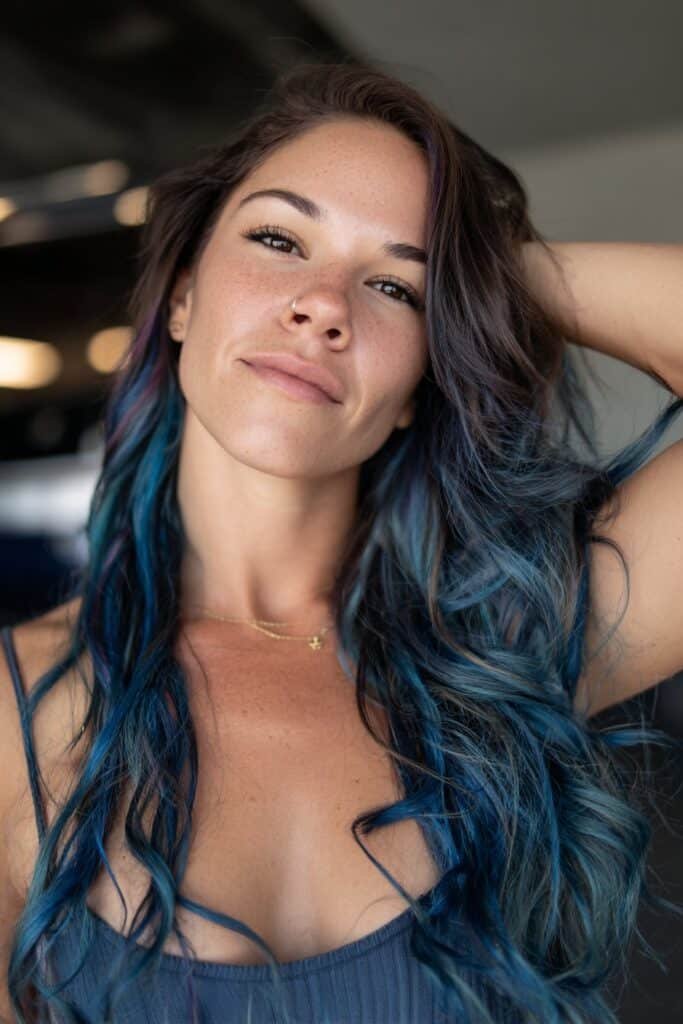
I started calling this the peek-a-boo halo because it is all about hidden color that reveals itself at the most perfect moments. I have always loved hidden color techniques because they feel like a little secret between me and my client, something personal and playful.
What it is and how it works
The peek-a-boo halo places bold or contrasting color in the underlayer of the halo zone rather than the surface. When the hair is worn down or in a simple style, the color is hidden. But when the wind moves the hair, when it is tied up, or when the person runs their fingers through it, flashes of vibrant color are revealed. It is subtle but stunning and endlessly fun.
Best for playful and versatile styles
This is perfect for someone who wants to experiment with color in a low-commitment, work-appropriate way. The color is hidden enough to be professional in conservative environments but visible enough to feel expressive in casual settings. I love recommending this to clients who say they want something fun but their workplace has a strict policy. It is the best of both worlds.
How to achieve it at home
Section out the upper layers of the crown zone and clip them away. Apply your chosen bold color only to the underlayer of the halo band. Rose gold, electric blue, and forest green work incredibly well for this technique. After the color sets, release the top layers and they will naturally fall over and conceal the color until movement reveals it.
Money Piece Halo

The money piece has been a technique I have loved for years, but combining it with the halo concept creates something that feels elevated and intentional in a completely new way. This is the technique I reach for when a client wants maximum impact without dramatic overall change.
What it is and how it works
A money piece halo blends the classic face-framing money piece placement with the crown halo band. Lighter or more vibrant pieces frame the face at the front while connecting into the halo band at the crown, creating a continuous frame of color around the upper portion of the head. The effect is like the face is spotlit, which is exactly the kind of energy everyone deserves to walk around with.
Best for face-framing and flattering looks
This technique is flattering on every face shape because it draws attention upward and inward toward the face. It works especially well on oval and heart-shaped faces and is incredible for those who want to brighten their complexion without going into full highlight territory. I have used this technique to make clients look instantly more awake and radiant without touching their skincare at all.
How to achieve it at home
Identify your face-framing sections at the front hairline and apply your lighter shade there first. Then connect that shade through the crown halo zone so there is a visual continuity rather than isolated patches of color. Blend the back of the halo band more softly so the emphasis remains at the front. A warm, golden tone works beautifully for this placement.
Red Halo
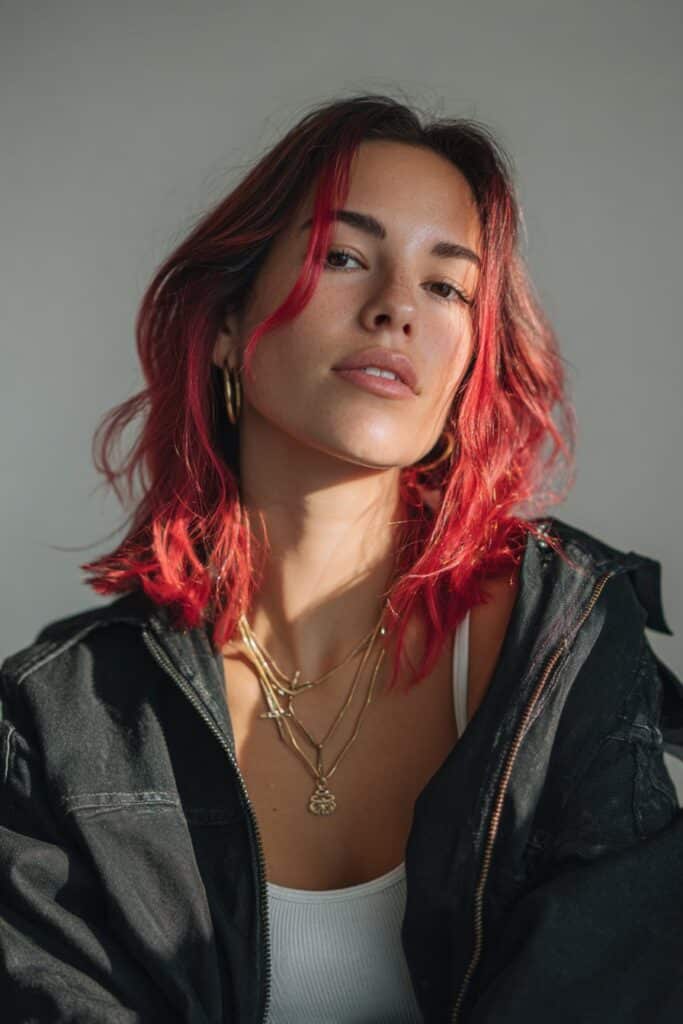
Red is a shade I approach with both excitement and deep respect. It is bold, it is expressive, and when placed in a halo formation, it becomes something truly spectacular. Red halo is for the brave, and I mean that as the highest compliment.
What it is and how it works
A red halo places vibrant or deep red shades through the crown zone, which can range from classic auburn to bright cherry or deep burgundy. The red sits at the crown while the rest of the hair stays in a contrasting base, whether that is dark brown, black, or even blonde for a truly unexpected combination. The visual impact of red at the crown is immediate and commanding.
Best for bold and confident personalities
Red halo is for those who walk into a room and want to be noticed. It suits warm skin tones especially well but works across the board depending on the specific shade of red chosen. Cooler reds like burgundy and wine tend to be more universally flattering, while warmer reds like copper-red and strawberry work beautifully on those with golden or peachy skin.
How to achieve it at home
Choose a red shade that complements your skin tone and apply through the crown section. Red fades faster than most shades, so using a color-depositing conditioner in the same family will extend the vibrancy significantly. Always apply on clean, slightly damp hair and allow extra processing time to ensure the pigment fully saturates the hair shaft for the richest possible result.
Blonde Halo
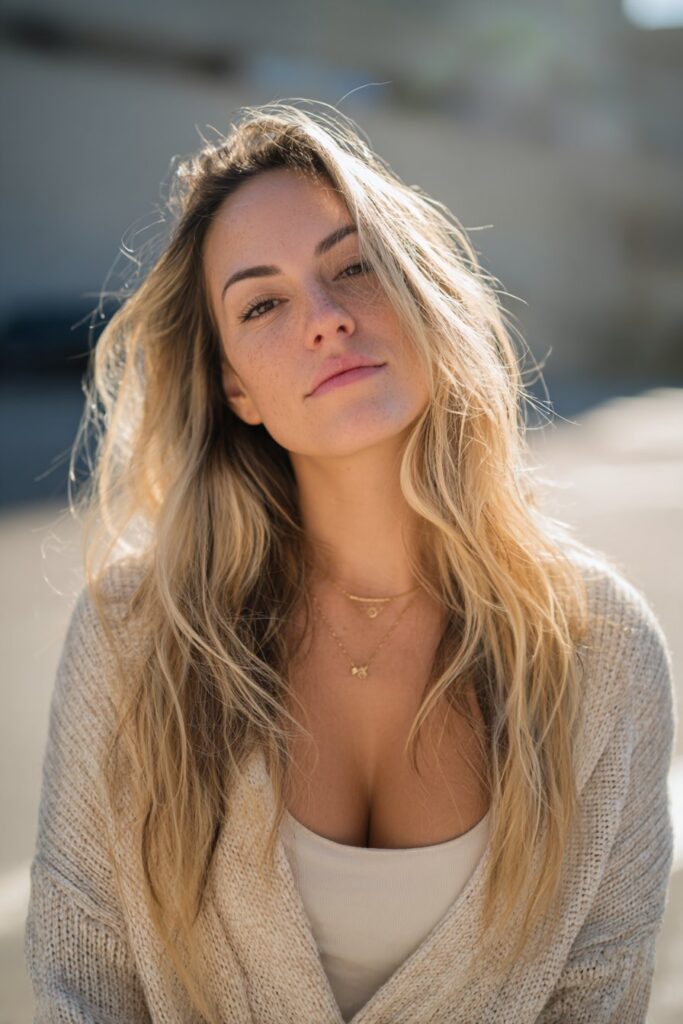
Blonde halo is probably the most universally requested version of this technique, and for good reason. It is luminous, youthful, and has a way of making everyone who wears it feel like they just returned from a gorgeous vacation somewhere sunny and warm.
What it is and how it works
A blonde halo places warm or cool blonde tones through the crown zone on a medium to dark base. The blonde band catches light in a way that makes it look as though the sun is always hitting your hair at just the right angle. Depending on the tone of blonde used, the effect can range from soft and natural to bright and striking. This is the halo style I have done the most over the course of my career and it never gets old.
Best for brightening and lifting the overall look
Blonde halo is especially powerful for those who want to look brighter and more awake without doing a full highlight or bleach job. The crown placement lightens the hair where the eye naturally lands first, giving an overall impression of lighter, more radiant hair even when the majority of it remains dark. It is one of the most efficient techniques for maximum visual impact with minimum overall processing.
How to achieve it at home
The level of lift required depends on your starting shade. If you are starting from a light to medium brown, a standard highlighting product may be sufficient. For darker bases, a lightener will be necessary to achieve true blonde. Always follow up with a toning gloss to neutralize any brassiness and finish with a hydrating mask to restore moisture to the lightened sections.
Dark Roots Halo

This one might feel counterintuitive but stay with me because it is one of the most artistic halo styles I have ever worked with. The dark roots halo deliberately plays with the regrowth that most people try to hide, turning it into an intentional design choice that looks incredibly cool.
What it is and how it works
The dark roots halo creates a defined band of lighter or more vibrant color through the mid-crown zone, sandwiched between intentionally dark roots at the scalp and a darker or more muted tone through the lower lengths. The darker roots are not grown-out, they are designed that way. The shadow root effect combined with the halo band creates a three-dimensional look that is modern, deliberate, and undeniably editorial.
Best for low-maintenance artistic styles
This is for the person who appreciates art in unexpected places and has a relaxed relationship with perfection. The dark roots halo is incredibly low maintenance because the roots blending in is part of the design. As color grows out, it simply deepens the shadow root effect rather than creating an obvious regrowth line. I love recommending this to those who travel frequently or have unpredictable schedules.
How to achieve it at home
Apply your chosen halo color only through the mid-section of the crown band, leaving a clear inch or more of natural dark root at the scalp. The lower edge of the halo band should be blended downward into the lower lengths. Avoid over-blending the root area. The contrast at the scalp is intentional and you want to preserve it for the full effect.
Rainbow Halo
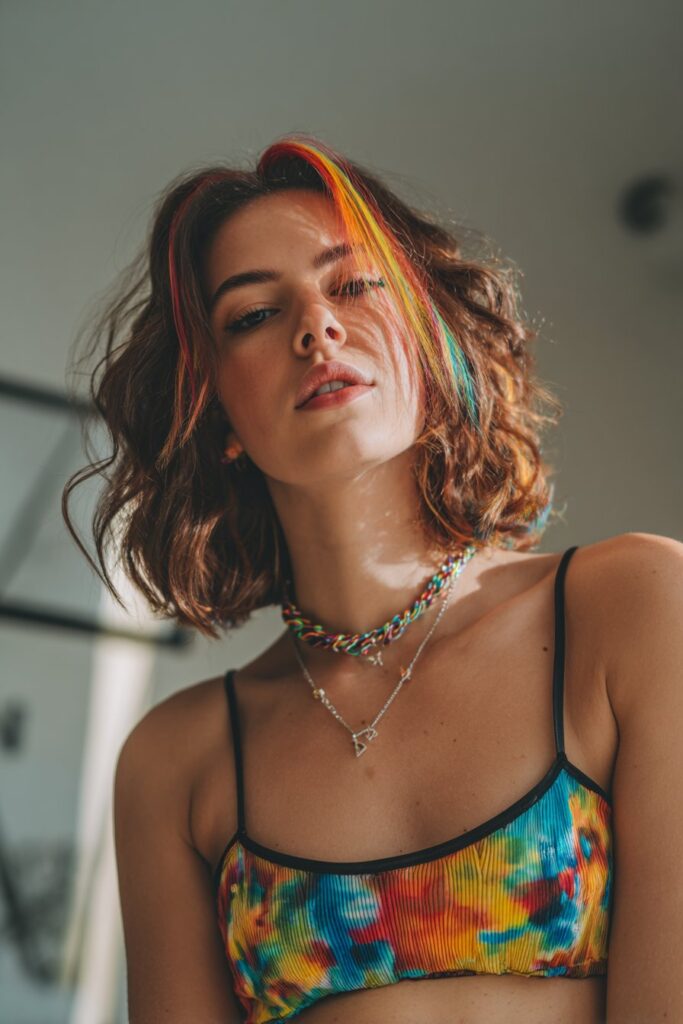
The rainbow halo is where I let my creative spirit run completely free. Every time I create one, I feel like I am painting rather than doing hair, and that feeling never gets old. This is the most expressive and celebratory of all the halo styles on this list.
What it is and how it works
A rainbow halo places multiple vibrant shades through the crown halo zone in a spectrum arrangement. The colors can flow from one to the next in a gradient or be placed in distinct sections for a more graphic effect. Because all the color is concentrated in the halo band, the overall look is festive and expressive without becoming overwhelming. The rest of the hair in its natural or neutral state grounds the look and lets the rainbow crown speak for itself.
Best for expressive and festival-inspired looks
Rainbow halo is best for those who love to celebrate color in every sense, those who attend creative events, festivals, or simply those who believe life is too short for boring hair. It works especially well on pre-lightened bases where all the colors can show up at full vibrancy. I have created rainbow halos for clients before major life celebrations and the joy on their faces when they see it is one of the greatest gifts of my job.
How to achieve it at home
Pre-lighten the crown section to pale blonde before applying any vivid shades. Choose three to five colors that flow harmoniously and apply them in adjacent sections through the halo band, using a clean brush between each color to prevent mixing. Where two colors meet, use a damp brush to slightly blend for a gradient effect. The more colors you use, the more intentional your sectioning needs to be to avoid muddy results.
Conclusion
If there is one thing I want you to take away from everything I have shared today, it is that halo hair dye is not just a technique. It is a conversation between you and your reflection. Every style I have described here represents a different way of saying something about who you are, what you love, and how you want to show up in the world. I have spent years behind the chair, watching people transform not just on the outside but in the way they carry themselves, the way they smile, the way they walk toward their own future with a little more certainty. Hair color does that. Intentional, thoughtful, artfully placed color does that.
From the softness of a classic halo highlight to the bold declaration of a rainbow crown, there is a version of this technique that belongs to you. I always tell my clients, the best hair color is the one that makes you feel like the truest version of yourself. Whether that version is subtle and natural or bold and electric, it is all valid, it is all beautiful, and it is all worth celebrating.
I grew up watching my mother transform in front of a mirror with just a little makeup and some hair styling, and that image never left me. Beauty is not about perfection or fitting into someone else’s definition of what looks good. It is about the moment you look in the mirror and feel a spark of recognition, like yes, that is me. That is what I have been going for. Halo hair dye, in all its fourteen magnificent forms, gives you that moment. Go find yours.